Cusco Region, Peru

Machu Picchu tours: the 2026 rules and your choices

Every visit now means a named, timed ticket for one of three circuits, and in high season only 5,600 people get in each day. This page explains the 2026 rules and compares the tours that handle tickets, transport and guiding for you.

Machu Picchu tours, compared for every kind of visitor

Day trips from Cusco, two-day trips with the Sacred Valley, trekking routes and long itineraries from Lima, all with duration, price and rating.

The sanctuary, the citadel and Aguas Calientes

Stone is only part of it: a 32,592 hectare sanctuary runs from glaciers down to cloud forest, and most visits begin in Aguas Calientes, 8 km below the gate by road.

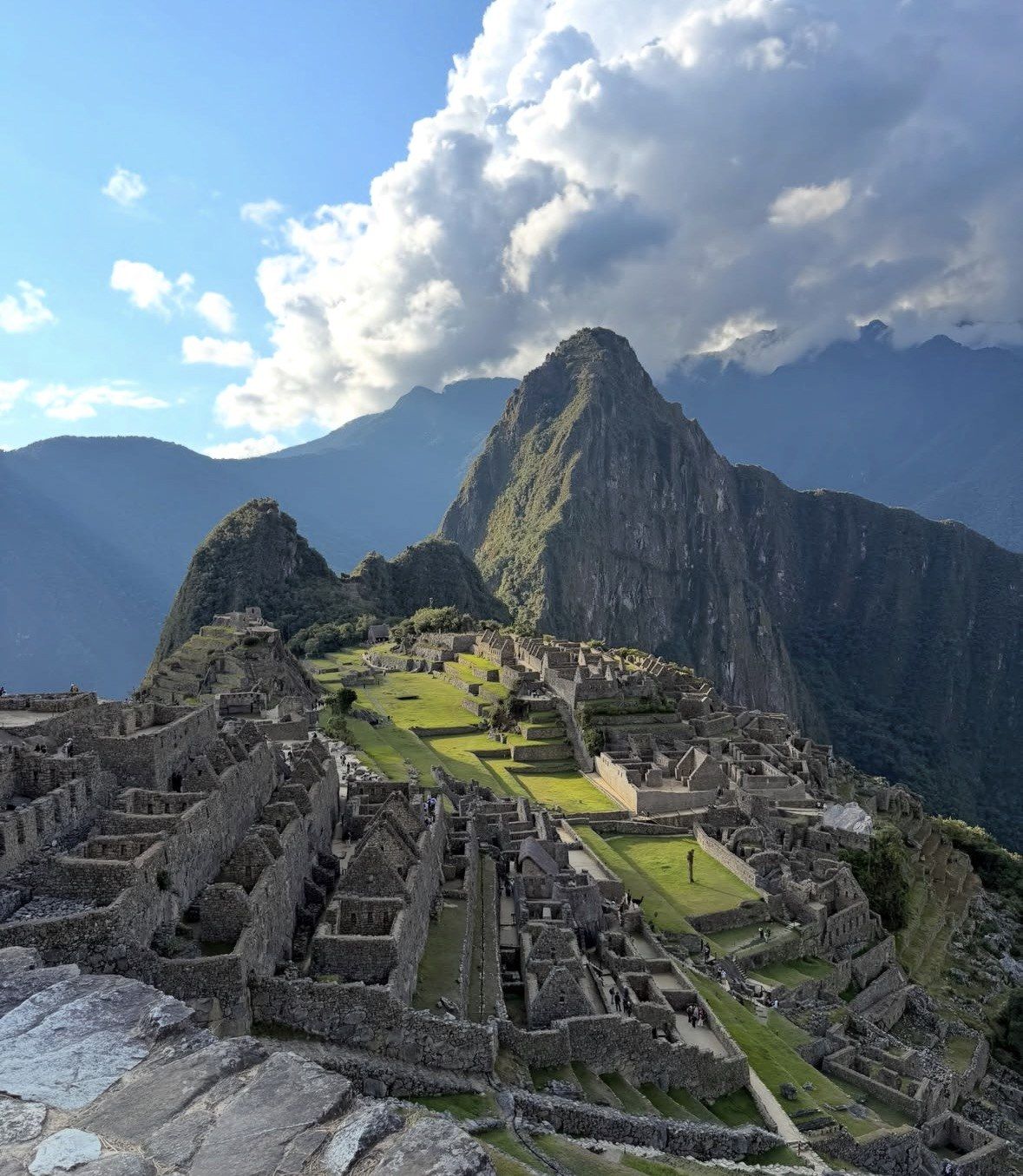
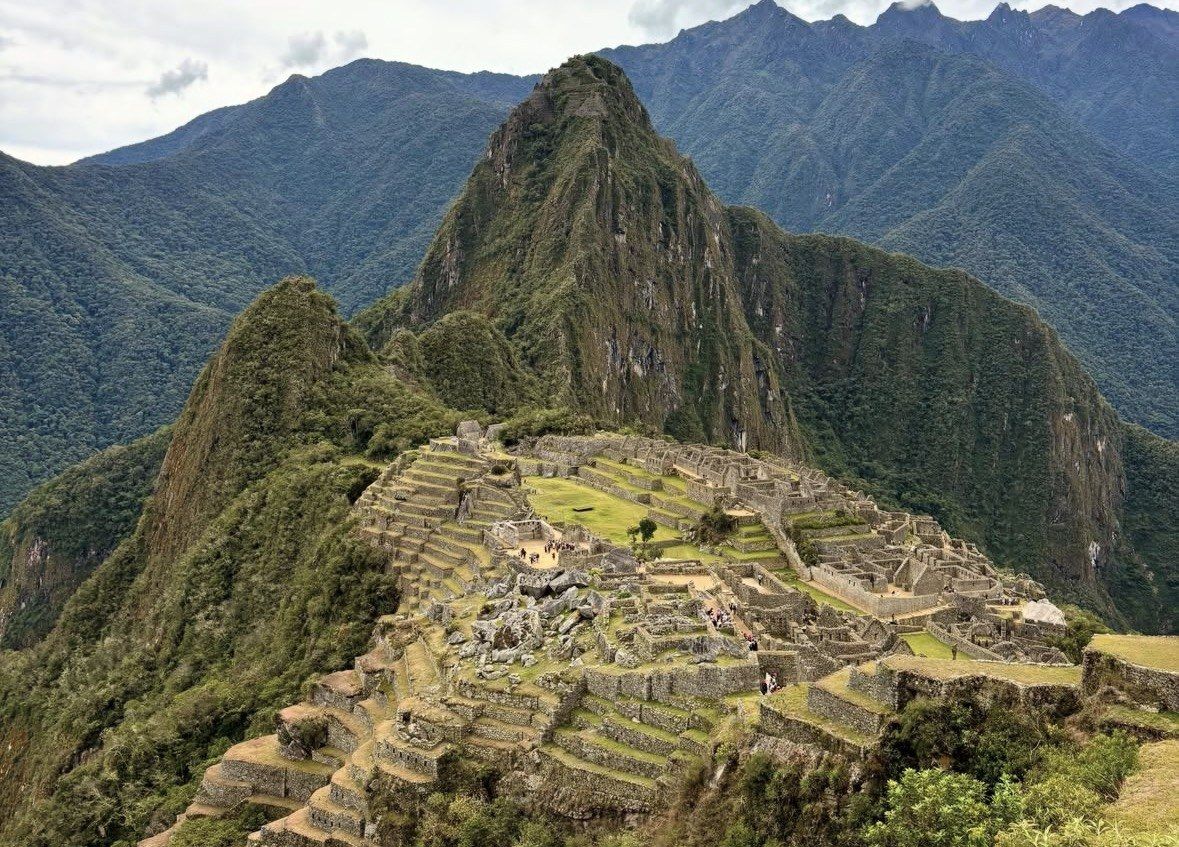
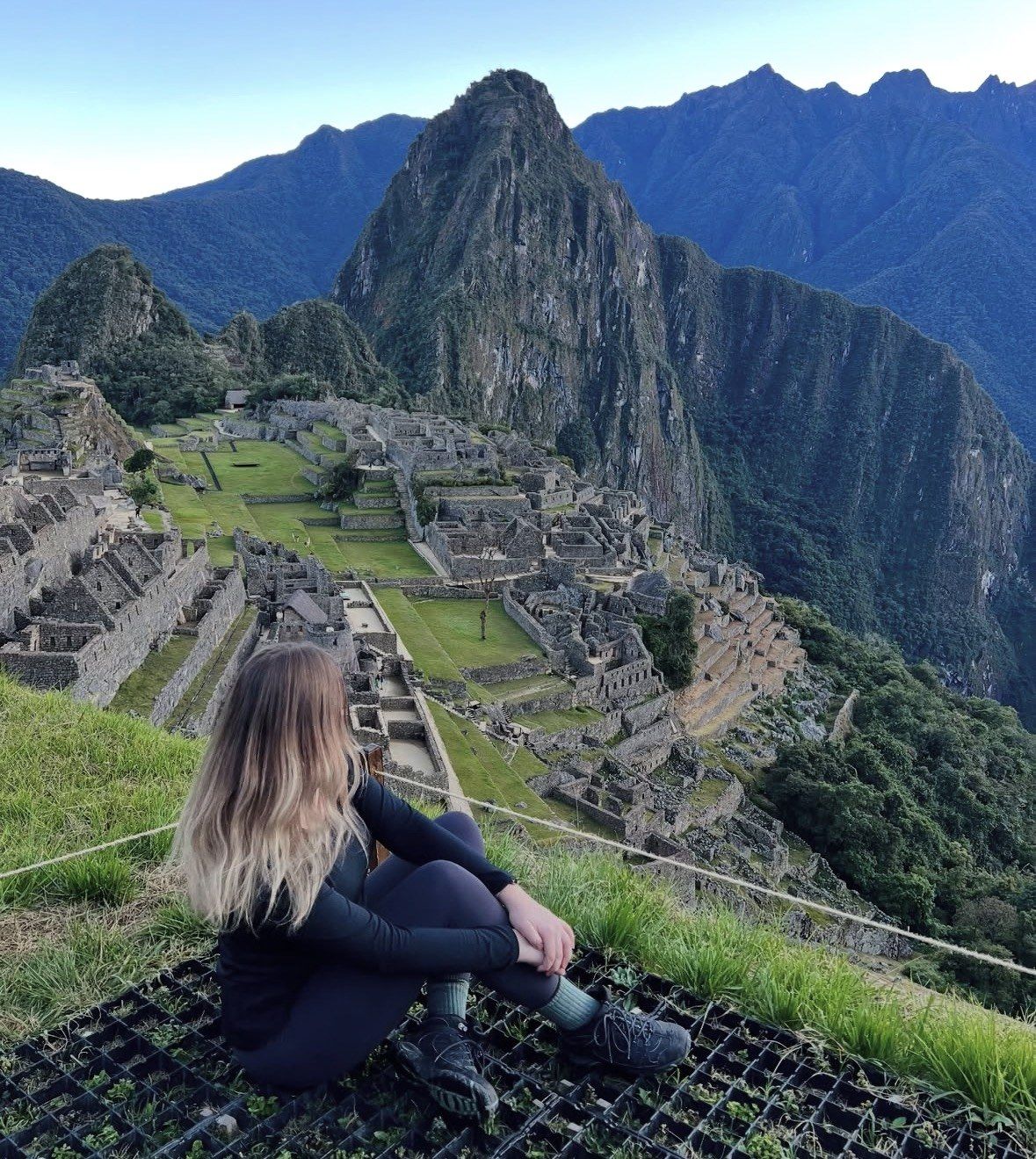
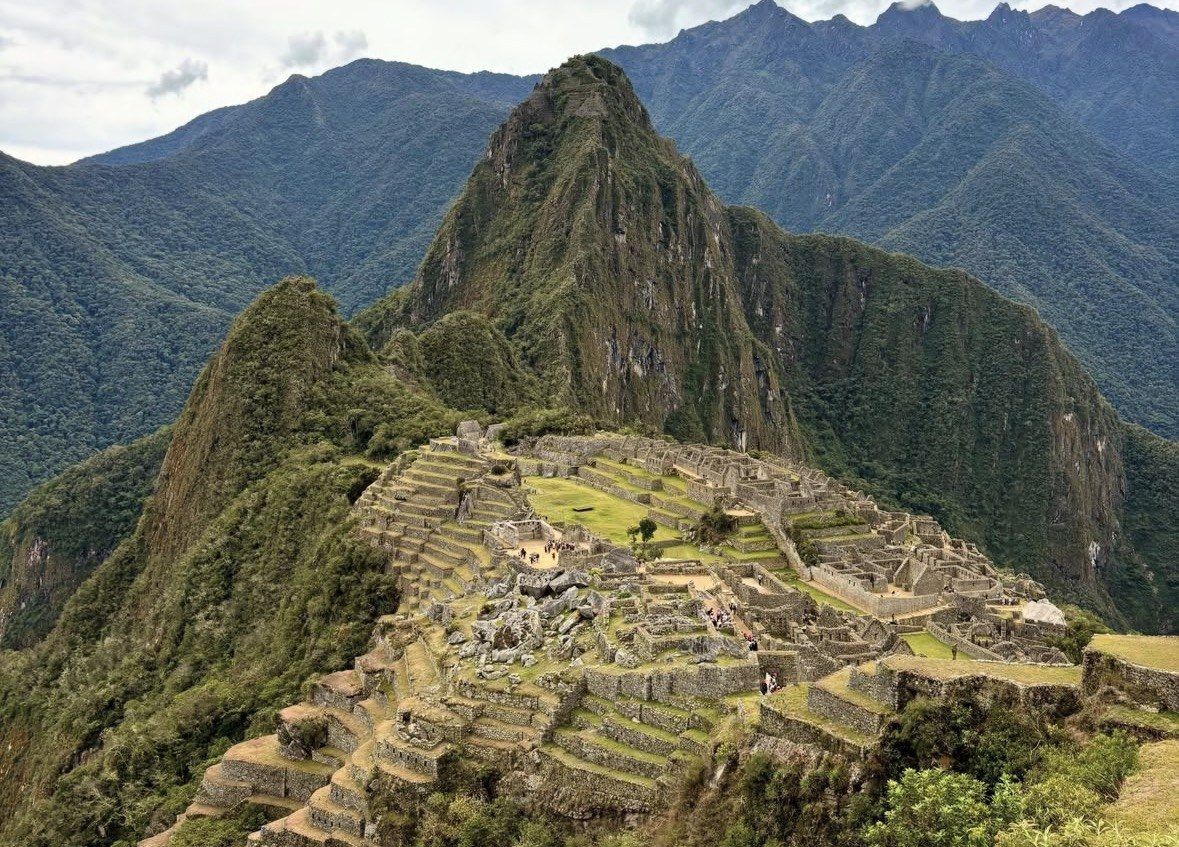
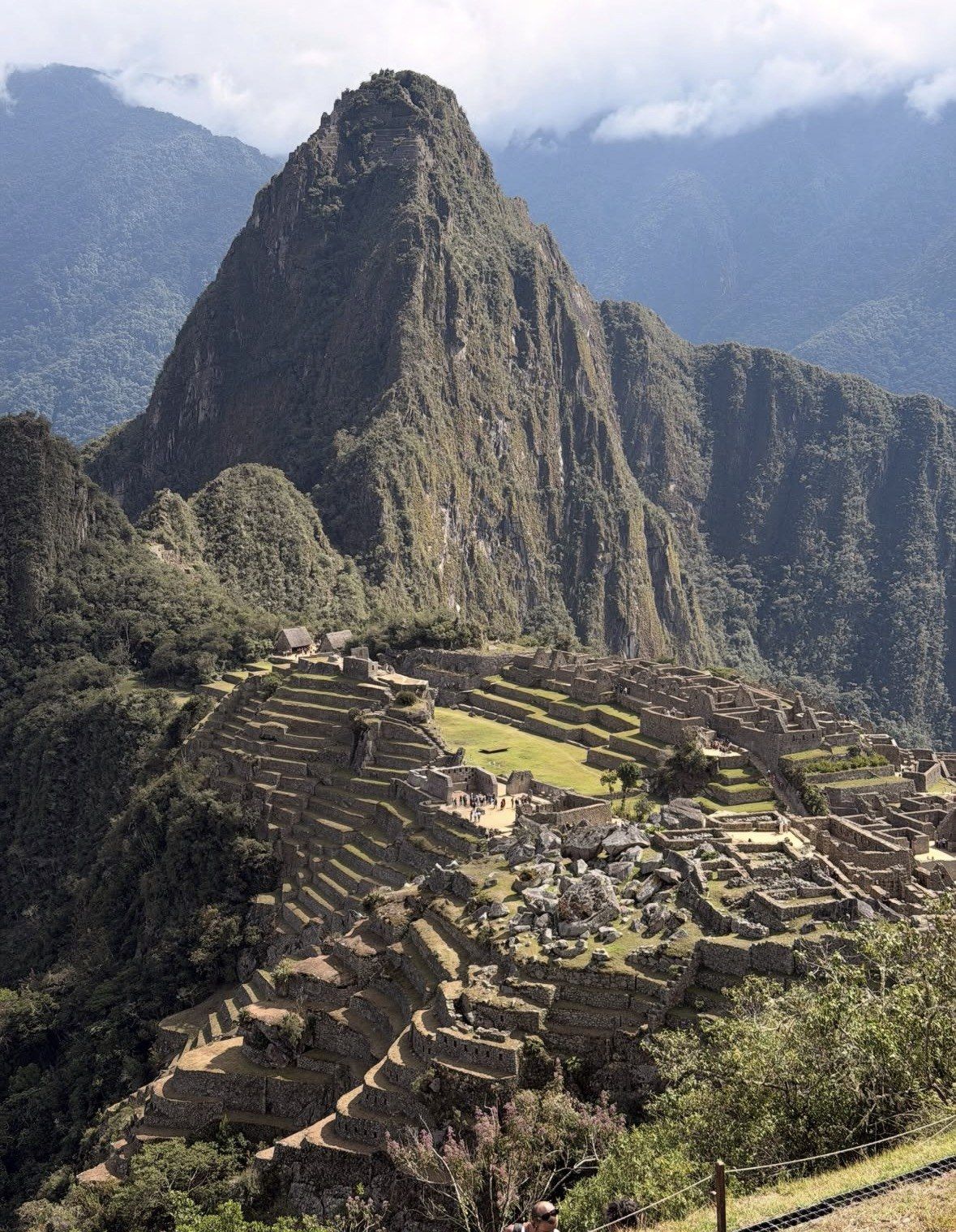
Supreme Decree 001-81-AA created the Historic Sanctuary as a protected natural area on 8 January 1981, and in January 2026 it turned 45. It covers 32,592 hectares of the Urubamba and Vilcabamba ranges, where the ground falls from snow peaks above 6,000 m to the warm Urubamba river bottom below 2,000 m, and about 340 orchid species have been recorded, roughly 20% of all those identified in Peru. The citadel itself sits at 2,340 m, about a kilometre lower than Cusco at 3,399 m, with a high point of 2,792 m on the road and rail route.

Yale's curators concluded the citadel was a royal estate built by the Inca ruler Pachacuti in 1450, and research by Burger and Salazar found it was in use for less than a hundred years, against Hiram Bingham's claim of centuries of occupation. Curator Richard Burger described its function as the Inca equivalent of a presidential retreat for the elite of Cuzco. Bingham, a Yale professor and archaeologist, rediscovered the site in 1911, and the 2003 Yale Peabody exhibition displayed over 400 gold, silver, ceramic, bone and textile artefacts recovered by his expeditions.

Visits run on three circuits subdivided into ten routes, and your ticket names one of them. Route 2-A is the most complete classic walk, capped at 2 hours 30 minutes inside the site, while Circuit 1 takes about 3 hours as a reference and Circuit 3 about 2. Entry is at the exact hour printed on the ticket, with 30 minutes of tolerance in low season and 45 in high season. That is why the shuttle road out of Aguas Calientes matters: 8 km of hairpins in 20 to 25 minutes, first bus at 5:30 a.m., which is the only way to be at the gate for an early printed hour.

altitude
Citadel altitude 2,340 m
altitude
Cusco, for comparison 3,399 m
area
Sanctuary area 32,592 hectares
capacity
Daily cap in 2026 5,600 high season / 4,500 other days
clock
Route 2-A inside the site up to 2 h 30 min
bus
Shuttle road from Aguas Calientes 8 km, 20 to 25 min
routes
10
Three circuits, ten routes

Circuit 1 Panorámico runs 1-A to 1-D, Circuit 2 Clásico is 2-A and 2-B, Circuit 3 Realeza is 3-A to 3-D. Your route is printed on the ticket and that is the one you walk. Routes 1-A, 1-D, 3-C and 3-D are restricted to visitors over 18.

ticket
S/152
The standard foreign tariff

Foreign visitors pay S/152 general, S/77 student and S/70 for minors on the standard circuits and route 3-D under the Ministry of Culture tariff, rising to S/200, S/125 and S/118 on routes 3-A and 3-C. Since 1 May 2026 SERNANP adds a separate conservation amount of S/11 for foreign adults and S/5 for foreign children aged 3 to 17.

timer
15 minutes
Prior reservations were abolished

Ministerial Resolutions 333 and 334-2026-MC, signed 11 September 2026, ended the old hold system. Selecting a slot does not reserve it, and payment must be completed within 15 minutes or it returns to sale. A 30-day trial that began 22 September 2026 may lengthen or shorten that window.

orchid
340
Orchid species recorded

About 340 orchid species have been logged inside the sanctuary, roughly 20% of all those identified in Peru. The drop from snow peaks above 6,000 m to river bottom below 2,000 m explains that spread.

heritage
1983
On the World Heritage List

Inscribed on 9 December 1983 under criteria I, III and VII, with criterion I recognising a masterpiece of Inca art, urbanism, architecture and engineering. It was later voted one of the New Seven Wonders of the World in a poll that drew more than 100 million votes.

trail
500
Inca Trail capacity per day

Daily carrying capacity is fixed at 500 users on routes 01 to 04, 250 on route 05 at km 104 and 100 on the new route 06, which has no announced opening date. Porters, cooks and guides count inside those numbers, so trekker places are a fraction of the headline figure.

walk

Route 2-A, the classic walk

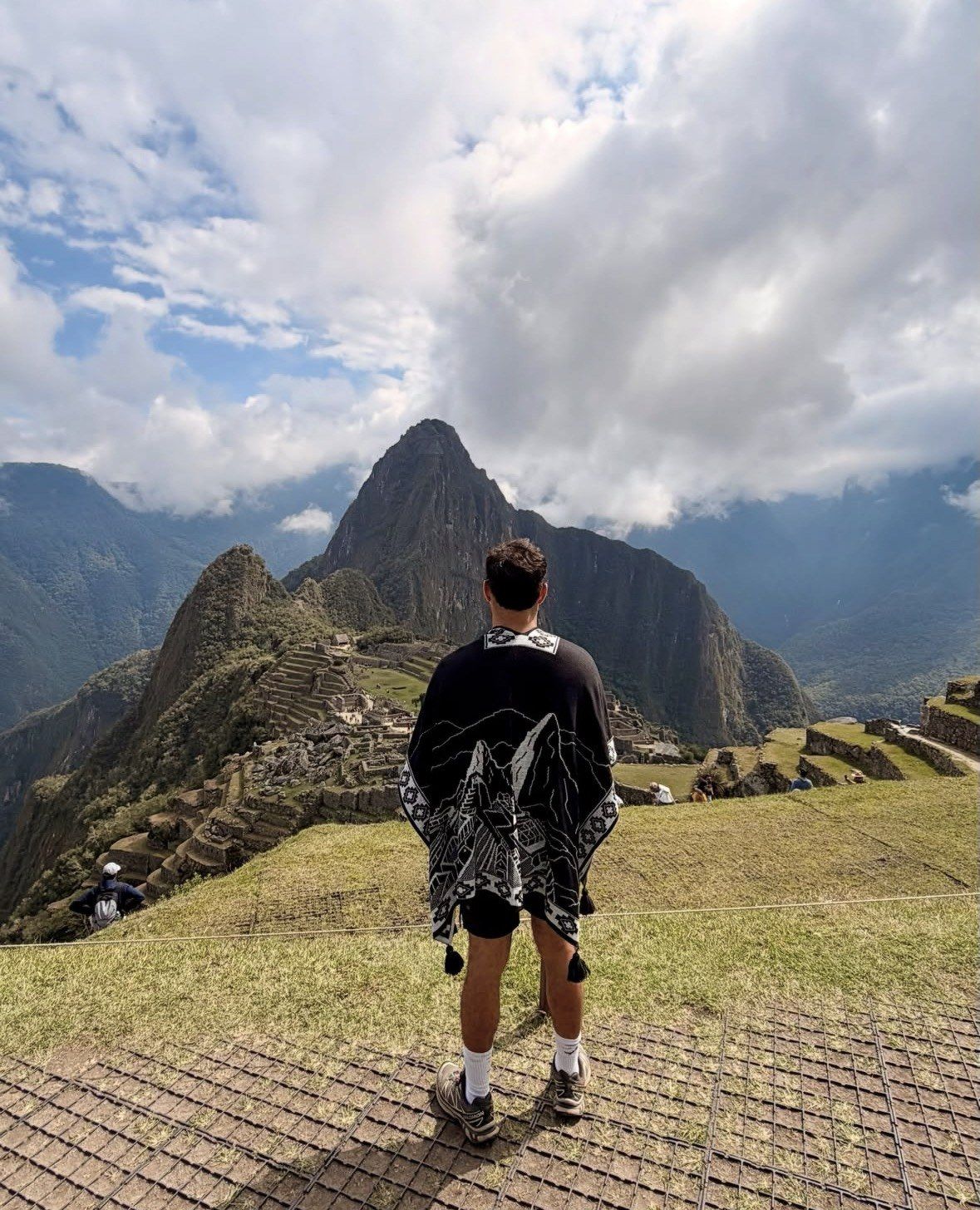
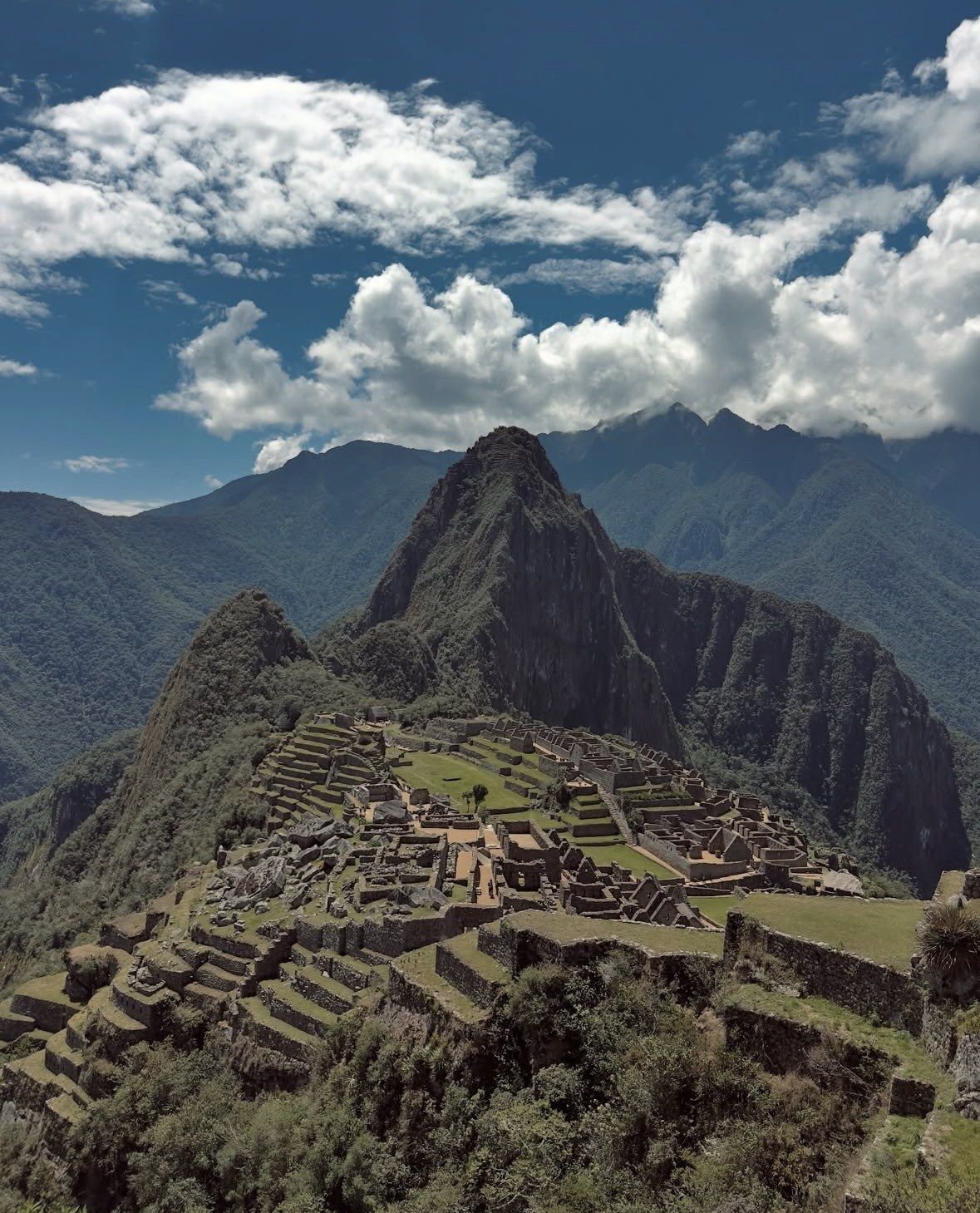
2-A is the most complete classic option, with up to 2 hours 30 minutes inside the site covering the urban zone and the postcard viewpoint. Take 2-B if 2-A has gone. Circuit 1 does not give access to the urban zone at all.

climb

Huayna Picchu on route 3-A

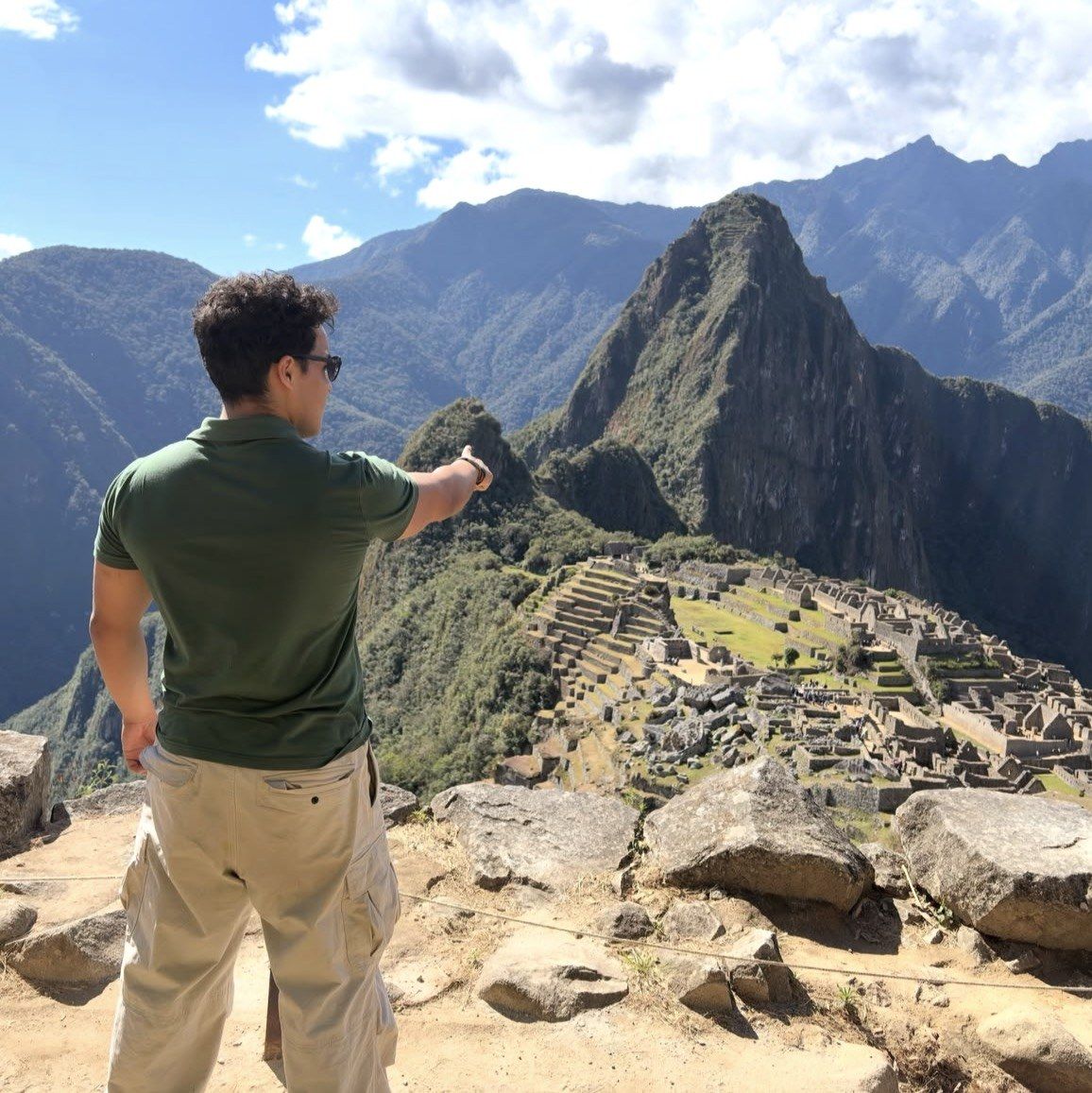
Huayna Picchu, the peak behind the classic viewpoint, rises to 2,720 m and served as an Inca lookout. Route 3-A allows about an hour in the site plus up to three hours climbing, and it is shut from 16 October to 29 December and for the whole of June 2026 under RM N° 000317-2025-MC.

climb

The mountain route 1-A

Route 1-A is roughly four hours round trip plus up to an hour in the site, and it is restricted to visitors over 18. On the two-day tour it is sold as an option at US$70 cash paid in Cusco, alongside Huayna Picchu.

climb

Huchuy Picchu and Gran Caverna

Huchuy Picchu on route 3-D reaches 2,497 m and takes about an hour; Gran Caverna on 3-C allows about an hour in the site plus up to four hours walking. Both are over-18 only, both sell in high season only, and both were suspended from 19 to 30 June 2026.

trek

The Inca Trail, four days

Four days of walking end with entry on route 3-B under a reserved daily quota, booked and paid only through an authorised agency and valid up to five business days. The network closes every February for rain-season maintenance, and 2026 permits were released month by month between 27 October and 4 November 2025 at 9:00 a.m. local time.

trek

Salkantay, five days packaged

About 70 km of highland and Amazonian trails, topping out at the 4,650 m Salkantay pass and dropping to around 2,000 m at Aguas Calientes. The official recommendation is April to November, with temperatures from -5 °C to 26 °C, and the packaged version runs five days from $480.

Machu Picchu tour options compared side by side

Price, length, guide language and who each way of getting there actually suits.

Three real choices sit behind the price lists: one long day out of Cusco, a night in Aguas Calientes so you can take an early entry hour, or arranging the moving parts yourself. The table below sets each against price, duration, guide language and the kind of traveller it fits, using the figures the operators publish. Read it against your own date, because a Machu Picchu tour in high season works to a 5,600 visitor cap and a shorter route menu.

PriceDurationGuide languageWho it suits
★ Full Day by Train from Cuscofrom $41916 hoursExpert guidesMeets at Cusco main square; expedition train both ways, shuttle up and down, entry ticket and circuit subject to availability, full refund if cancelled at least 24 hours before departure
Day Trip from Cuscofrom $33614 hoursSpanish or EnglishCitadel admission, round-trip train or bimodal bus-and-train from Cusco, shuttle bus, lodging pickup; lunch, water and gratuities excluded, cancellations not refundable
Two days with a night in Aguas Calientesfrom $4492 daysEnglish-speaking local guideCircuit 2 priority subject to Ministry availability, private room in Aguas Calientes, Sacred Valley Boleto Turístico paid in soles cash at the ruins; cancellations not refundable
Panoramic train with Circuit 2from $39514 to 15 hoursProfessional guideNo trekking at all: panoramic train, Circuit 2, entrance tickets, hotel pickup, round-trip transport to the station and bus to the park
By car plus own arrangementsNo tour price available; shuttle about US$24 round trip for foreign visitorsCusco to Ollantaytambo about 1 hour 30 minutes by road (61 km via Chinchero and Urubamba, or 92 km via Pisac, Calca and Urubamba), then about 1 hour 45 minutes by trainNot included; a guide is advisedTicket bought only through www.tuboleto.cultura.pe or an authorised counter, with name and ID document number; luggage storage at Ollantaytambo station 04:15-21:00. Suits people with a hire car and spare days
By public transport and railNo tour price availablePoroy to Aguas Calientes about 3 hours 30 minutes, with boarding closing 30 minutes before departureNot includedBimodal services leave San Pedro or Poroy and transfer at Pachar on selected schedules since 1 September 2025; the Hidroeléctrica alternative walks a flat 10 km along the railway, 2 to 3 hours on foot, with landslide risk in the wet season. Suits unhurried independent travellers

Across these options the gap between a 14-hour day out of Cusco and a two-day version with a night in Aguas Calientes costs less than the difference it makes to your morning. A Machu Picchu tour that puts you on the 5:30 a.m. shuttle for an early entry hour works better than one that lands you inside between 11:00 and 14:00, whatever train class is printed on the ticket.

Machu Picchu Everything You Need to Know

Access, timing, packing, ticket rules and altitude, with the 2026 figures attached.

How to get there from Lima and Cusco

Standard routing: Lima to Cusco by air, about 1 hour 15 minutes, then Cusco to Ollantaytambo by road, about 1 hour 30 minutes, on one of two paved roads, 61 km via Chinchero and Urubamba or 92 km via Pisac, Calca and Urubamba. From Ollantaytambo the train runs about 1 hour 45 minutes, which PeruRail brackets at 1 hour 30 minutes to 2 hours. Boarding closes 30 minutes before departure, and the entrance ticket is never part of a plain train fare.

From Aguas Calientes the shuttle road climbs 8 km with roughly 13 hairpin bends in 20 to 25 minutes, the first departure at 5:30 a.m., on a regulated fare of about US$24 round trip for foreign visitors from a single concessionaire. Buy at the Consettur booth on Avenida Hermanos Ayar or online in advance, ideally the afternoon before your visit, since the morning queue is for boarding rather than buying. Times can shift, so confirm on the day.

  • Lima to Cusco by air about 1 hour 15 minutes; Cusco to Ollantaytambo by road about 1 hour 30 minutes
  • Ollantaytambo to Aguas Calientes about 1 hour 45 minutes by train; Poroy about 3 hours 30 minutes
  • PeruRail bimodal services from Cusco leave San Pedro or Poroy and transfer at Pachar on selected schedules since 1 September 2025
  • Inca Rail advises arriving at the station at least 30 minutes early; its All-Inclusive fare bundles the entry ticket, the shuttle bus and a guided citadel tour
  • Train baggage: one backpack up to 8 kg and 100 cm, or one carry-on up to 12 kg and 115 cm on PeruRail; one hand item up to 8 kg on Inca Rail, larger bags left in custody
  • Luggage storage at no charge every day at Ollantaytambo station 04:15-21:00 and at the Aguas Calientes station 05:00-22:00
  • The Hidroeléctrica alternative drives from Cusco via Santa María and Santa Teresa, then walks a flat 10 km along the railway into Aguas Calientes, 2 to 3 hours on foot with landslide risk in the wet season
Tourist train waiting at Ollantaytambo station in the Sacred Valley

When to go, and what closes when

Aim for the shoulder weeks, late April to early June or late September to mid-October. High season in 2026 covers 1 January, 2 to 5 April, 19 June to 2 November and 30 to 31 December, with a daily cap of 5,600 visitors; on all other dates the cap is 4,500, and it reverts to 4,500 from 3 November 2026. PeruRail puts the best window for Ollantaytambo and the Sacred Valley in the dry season, April to October.

Low season is when routes disappear. Routes 1-B, 1-D, 3-A and 3-C are shut from 16 October to 29 December, so a November climb on Huayna Picchu is not on offer. Peru's state news agency lists 1-C, 1-D, 3-C and 3-D as high-season sales only, while PeruRail lists 1-C, 3-C and 3-D; check the route you want at the moment you buy. RM N° 000317-2025-MC also suspended 3-A for all of June 2026, and 3-C and 3-D from 19 to 30 June.

  • High season 2026: 1 January, 2-5 April, 19 June to 2 November, 30-31 December, cap 5,600 per day
  • All other 2026 dates: cap 4,500 per day, and the cap returns to 4,500 from 3 November
  • Of the daily allocation, 3,500 tickets are sold online in regular season and 4,600 in high season, plus 1,000 sold in person each day
  • Shut 16 October to 29 December: routes 1-B, 1-D, 3-A and 3-C
  • Suspended by resolution: 3-A for the whole of June 2026, and 3-C and 3-D from 19 to 30 June 2026
  • The Inca Trail network closes every February for rain-season maintenance, so no reservations exist for that month
  • Dry season April to October is the advised window for the Sacred Valley, April to November for Salkantay, and May to October for Vinicunca at 5,200 m
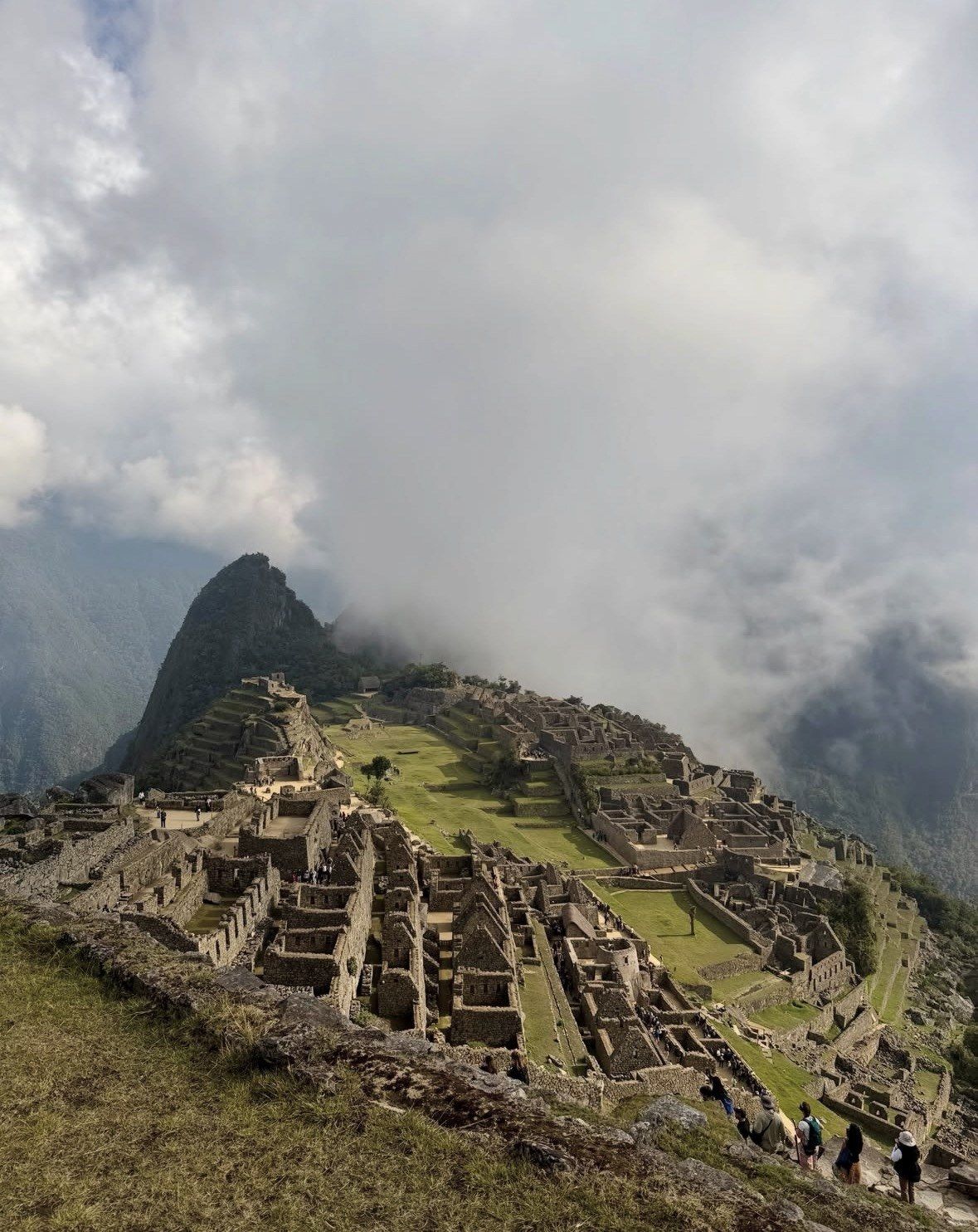
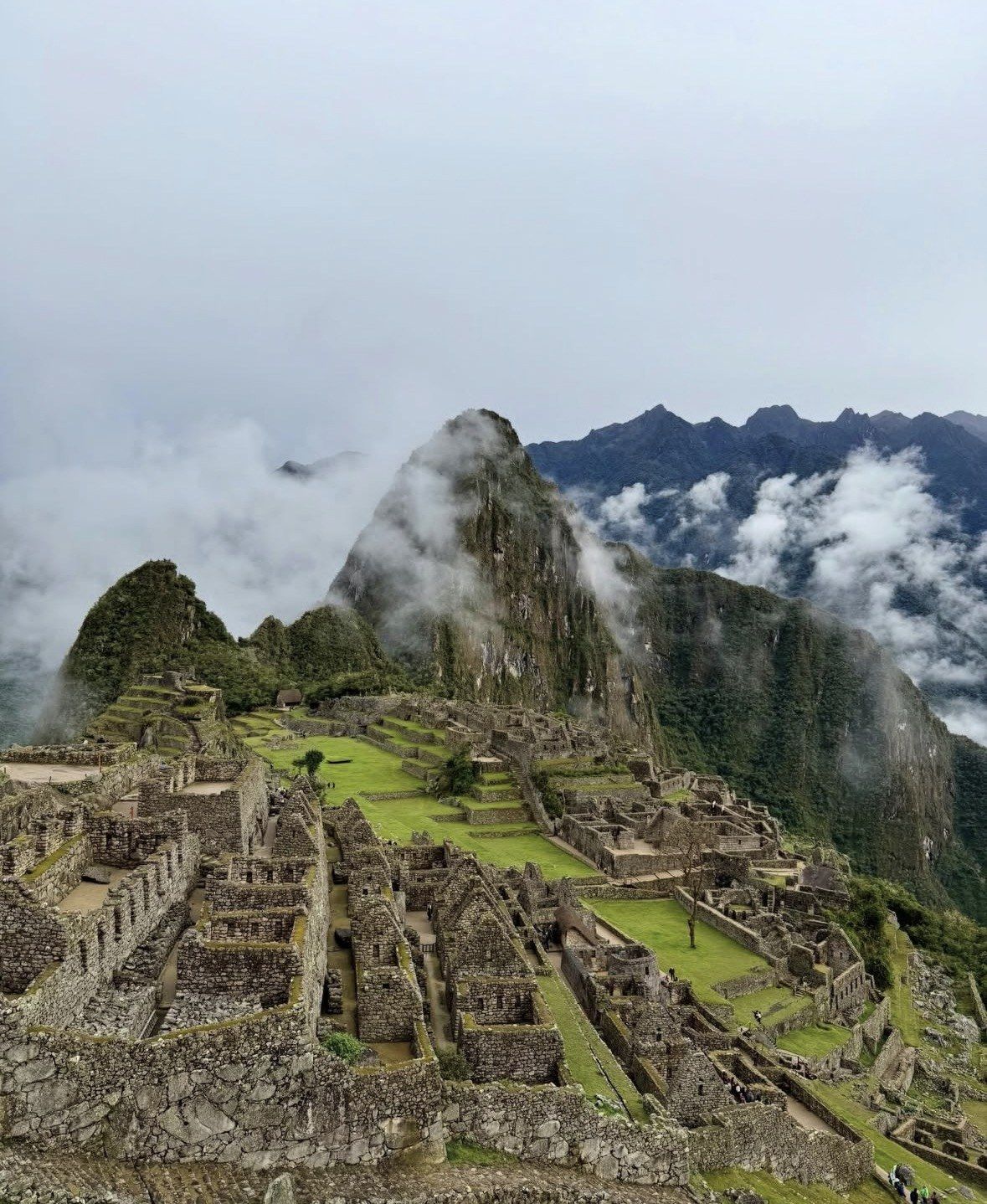
Cloud lifting off the citadel terraces on a dry-season morning

What to pack, and what the gate will refuse

Pack small. Bags larger than 40 x 35 x 20 cm are not allowed inside the citadel, food and tableware are banned, and so are umbrellas and parasols, walking poles or canes with metal or hard tips, portable seats, aerosols, banners and posters, musical instruments, megaphones and speakers, sharp objects and weapons, and advertising clothing. Day-tour operators advise no more than 5 kg plus a small backpack, which also keeps you inside the train limits.

Footwear is checked: high heels and hard soles are refused, and only soft or rubber-soled shoes and trainers are permitted. Prams and strollers are banned, though baby carriers without metal frames are allowed. Carry the passport, carné de extranjería or DNI that matches the name and document number printed on your ticket, plus a valid higher-education card if you bought a student rate. Smoking, vaping, graffiti and fires of any kind are prohibited.

  • Passport, carné de extranjería or DNI matching the name and number on the ticket
  • Bag no larger than 40 x 35 x 20 cm
  • Soft or rubber-soled shoes or trainers; no high heels or hard soles
  • A rain layer rather than an umbrella, which is not allowed inside
  • Water in your bag, since food and tableware are banned inside the citadel
  • Walking poles only without metal or hard tips
  • Valid higher-education card for a student rate; under-18s enter accompanied by an adult
  • Keep day luggage to 5 kg plus a small backpack to stay within train baggage limits
Small daypack, rain shell and trainers laid out for a day at the citadel

Tickets, guides and the rules people trip over

Tickets are nominal: each one carries your full name and ID document number, names cannot be changed later and date changes are not allowed. An unused ticket loses validity with no refund or rescheduling except in documented force majeure. Buying is now either direct by the visitor or through an agency registered with the Ministry of Culture's Cusco office, exclusively through the official portal www.tuboleto.cultura.pe or an authorised counter; any other channel is prohibited.

A guide is recommended rather than compulsory according to the Ministry of Culture, and the regulation shapes how guided groups work: a maximum of sixteen visitors, the guide stays with the group throughout, displays a valid guide card and carries a flag or banner from five visitors upward. Nobody is moved between groups or added once inside. Maximum stay is four hours, with entry between 06:00 and 16:00 and the register closing at 17:30.

  • Entry is at the exact hour printed on the ticket; lateness is tolerated 30 minutes in low season, 45 in high season
  • Tickets are sold in bands: morning 06:00-12:00, afternoon 12:00-18:00 or full day 06:00-18:00
  • No re-entry except in force majeure, and breaching the regulation means removal with the ticket price forfeited
  • About 1,000 tickets a day are sold in person at the Cultural Centre of the District Municipality in Aguas Calientes, a counter reported open 15:00-22:00
  • After reservations were scrapped the Ministry released more than 90,000 entries for the last quarter of 2026: over 60,000 for December, about 29,000 for November and over 1,000 for October
  • DDC Cusco answers on (084) 582030 and (084) 321 5555, or +51 1 321 5555 from abroad, and [email protected]; the office is at Calle Maruri 340, Cusco
  • The Cusco Tourist Ticket is separate: S/130 for foreign visitors valid 10 days, S/70 for national tourists and foreign students, S/40 for national students, partial circuits S/70 each
Guide with a group of visitors on the stone stairs of the citadel

Altitude, health and staying inside the rules

Altitude trouble is a Cusco problem more than a citadel one. Cusco sits at 3,399 m, the citadel at 2,340 m, and the road and rail route tops out at 2,792 m, so acclimatise in Cusco first and head down to the ruins once your breathing has settled. Trek itineraries climb far higher: the Salkantay pass reaches 4,650 m and the Vinicunca viewpoint 5,200 m, both well above the citadel.

Trek operators list a first aid kit, an oxygen tank or bottle and, on the Inca Trail product, a satellite phone, which tells you plainly what those days involve. On the Salkantay route temperatures run from -5 °C to 26 °C, so cold nights come with the package. Minors aged 3 to 17 must be accompanied by an adult, and the walk into Aguas Calientes along the railway from Hidroeléctrica carries landslide risk in the wet season.

  • Acclimatise in Cusco at 3,399 m before the citadel at 2,340 m
  • The road and rail route high point is 2,792 m
  • Salkantay pass 4,650 m with temperatures from -5 °C to 26 °C; Vinicunca viewpoint 5,200 m
  • Inca Trail packages carry a first aid kit, oxygen tank and satellite phone
  • Minors aged 3 to 17 enter accompanied by an adult; children under 3 enter without charge
  • Smoking and vaping, fires of any kind and graffiti are prohibited inside the citadel
  • Visitors who breach the visit regulation are removed immediately and forfeit the ticket price with no refund
Trekking group resting on a high pass above the Urubamba valley

Find Machu Picchu

The citadel stands above the Urubamba river in the Cusco Region of Peru, reached from Aguas Calientes by the 8 km shuttle road.

Practical information for visiting Machu Picchu

Circuits and routes, ticket rules, trains from Cusco, the shuttle bus, the best months and the sights of the Sacred Valley, gathered in one place.

Machu Picchu Frequently Asked Questions

The ticket rules, circuits, trains and timings that decide how a 2026 visit actually goes, with the figures behind each answer.

Costs come in layers. The Ministry of Culture tariff for foreign visitors is S/152 general on the standard circuits (S/77 student, S/70 for minors) and S/200 on routes 3-A and 3-C, and since 1 May 2026 SERNANP charges a separate conservation amount of S/11 for foreign adults over 18 and S/5 for children aged 3 to 17. People aged 60 or over, teachers, people with disabilities and voluntary military personnel pay 50% off the general rate. A packaged day from Cusco bundles train, shuttle and guide instead: the 14-hour day trip starts from $336 and the 16-hour Full Day by Train from $419, while the regulated Consettur shuttle on its own is about US$24 round trip.
Sleep in Aguas Calientes if your dates allow it. A packaged day from Cusco is long: a pre-dawn hotel pickup, the van to Ollantaytambo, the train down the valley, a few hours at the citadel and a return to Cusco in the evening, 14 to 16 hours in the listings on this site. A night in town puts you on the first shuttle at 5:30 a.m. for the earliest entry hour, and it keeps you clear of the grace period, which is 30 minutes in low season and 45 in high season, counted from the hour printed on the ticket. The 2-day Sacred Valley and Machu Picchu tour from $449, rated 4.8 (1294 reviews), includes that night in a private room.
Route 2-A, inside Circuit 2 Clasico. It is the most complete classic option and gives you up to 2 hours 30 minutes inside the site; Andina puts Circuit 2 at a reference duration of two and a half to three hours. Take 2-B if 2-A has gone. Circuit 1 Panoramico runs about 3 hours and Circuit 3 Realeza about 2 hours, and the mountain routes are worth adding only if climbing is the point of your trip.
Ministerial Resolutions 333 and 334-2026-MC, signed 11 September 2026, abolished prior reservations. Selecting a slot no longer holds it: payment must be completed within 15 minutes or it returns to sale, and a 30-day trial period that began 22 September 2026 and ends around 22 October 2026 lets the Ministry lengthen or shorten that window. Every ticket carries the visitor's full name and ID document number and cannot be renamed later, so the details must match the document you show at the gate. Purchases are lawful only directly by the visitor or through an agency registered with the Ministry of Culture's Cusco office, via the official portal www.tuboleto.cultura.pe or an authorised counter.
Ollantaytambo is the sensible boarding point. PeruRail puts Ollantaytambo to Aguas Calientes at about 1 hour 45 minutes against roughly 3 hours 30 minutes from Poroy, and since 1 September 2025 bimodal bus-and-train services from Cusco leave San Pedro or Poroy and transfer at Pachar on selected schedules. Boarding closes 30 minutes before departure; baggage is limited to one backpack of up to 8 kg or one carry-on of up to 12 kg on PeruRail and one hand item of up to 8 kg on Inca Rail, with luggage storage at no charge at Ollantaytambo station 04:15 to 21:00 and at the Aguas Calientes station 05:00 to 22:00. A plain train fare never covers the citadel entrance, and operators warn that train times are indicative, so check them on the day.
Yes. The day options listed here include citadel admission with the circuit subject to availability, which reflects how the system works now that nothing is held until it is paid. The 16-hour Full Day by Train, from $419 and rated 5.0 (321 reviews), includes the entry ticket and circuit on that basis and advises booking five months ahead; the private full-day option from $339 lists Circuit 2 entry the same way. Give the operator your name and document number exactly as printed in your passport, because the ticket is issued in that name. An unused ticket loses validity, with no refund, date change or rescheduling except in documented force majeure.
Check the official portal again at different hours before paying anyone a premium. About 1,000 same-day tickets are sold in person each day at the Cultural Centre of the District Municipality of Machu Picchu Pueblo in Aguas Calientes, a counter reported open 15:00 to 22:00. Scrapping the hold system freed a large amount of inventory: the Ministry released more than 90,000 entries for the last quarter of 2026, over 60,000 of them for December and about 29,000 for November. If you are stuck, DDC Cusco answers on (084) 582030 and (084) 321 5555, or +51 1 321 5555 from abroad, and at [email protected].
Aim for the shoulder weeks, late April to early June or late September to mid-October, which sit inside the April to October dry season PeruRail recommends for Ollantaytambo and the Sacred Valley while keeping most routes on sale. High season in 2026 covers 1 January, 2 to 5 April, 19 June to 2 November and 30 and 31 December, with a daily cap of 5,600 visitors; the cap is 4,500 on all other dates and reverts to 4,500 from 3 November 2026. The quieter months are when routes vanish: 1-B, 1-D, 3-A and 3-C are shut from 16 October to 29 December, and 1-C, 3-C and 3-D sell only in high season. Anyone planning to trek should avoid February, when the Inca Trail network closes for rain-season maintenance and no reservations exist.
Yes, but only on the right route and in the right month. Huayna Picchu, 2,720 m and once an Inca lookout, is Route 3-A: about one hour in the site plus up to three hours climbing, priced at S/200 general for foreign visitors; Machu Picchu Mountain is Route 1-A, roughly four hours round trip plus up to an hour inside, and Gran Caverna (3-C) adds up to four hours. Routes 1-A, 1-D, 3-C and 3-D are restricted to visitors over 18, routes 3-A and 3-C close from 16 October to 29 December, and RM 000317-2025-MC suspended 3-A for all of June 2026 and 3-C and 3-D from 19 to 30 June 2026. Acclimatise in Cusco first, since the citadel stands at 2,340 m against 3,399 m in the city, and note that on the two-day itinerary the climb is an option at US$70 cash paid in Cusco.
Leave behind bags larger than 40 x 35 x 20 cm, food and tableware, umbrellas and parasols, poles or canes with metal or hard tips, prams and strollers (baby carriers without metal frames are allowed), high heels and hard-soled shoes, portable seats, banners and posters, aerosols, animals, alcohol, musical instruments, megaphones and speakers, sharp objects and advertising clothing; smoking, vaping, graffiti and fires of any kind are prohibited. The Ministry of Culture says a guide is recommended rather than compulsory, and the regulation caps a guided group at sixteen visitors, keeps the guide with the group throughout, requires a visible guide card and a flag or banner from five visitors upward. Visitors cannot be moved between groups or added to one once inside. Maximum stay is four hours, entry runs from 06:00 to 16:00 with the register closing at 17:30, re-entry is not allowed except in force majeure, and anyone breaching the rules is removed and forfeits the ticket price.

Pick your date first, then the format that fits it.

Check availability

A royal estate of 1450, rediscovered in 1911

Yale's curators place the citadel as a royal estate built by Pachacuti in 1450 and in use for less than a hundred years, a summer retreat for the Inca elite of Cuzco rather than an isolated spiritual centre. Bingham reached it in 1911, and the artefacts his expeditions removed filled a Yale Peabody exhibition of over 400 pieces in 2003.

Book Now