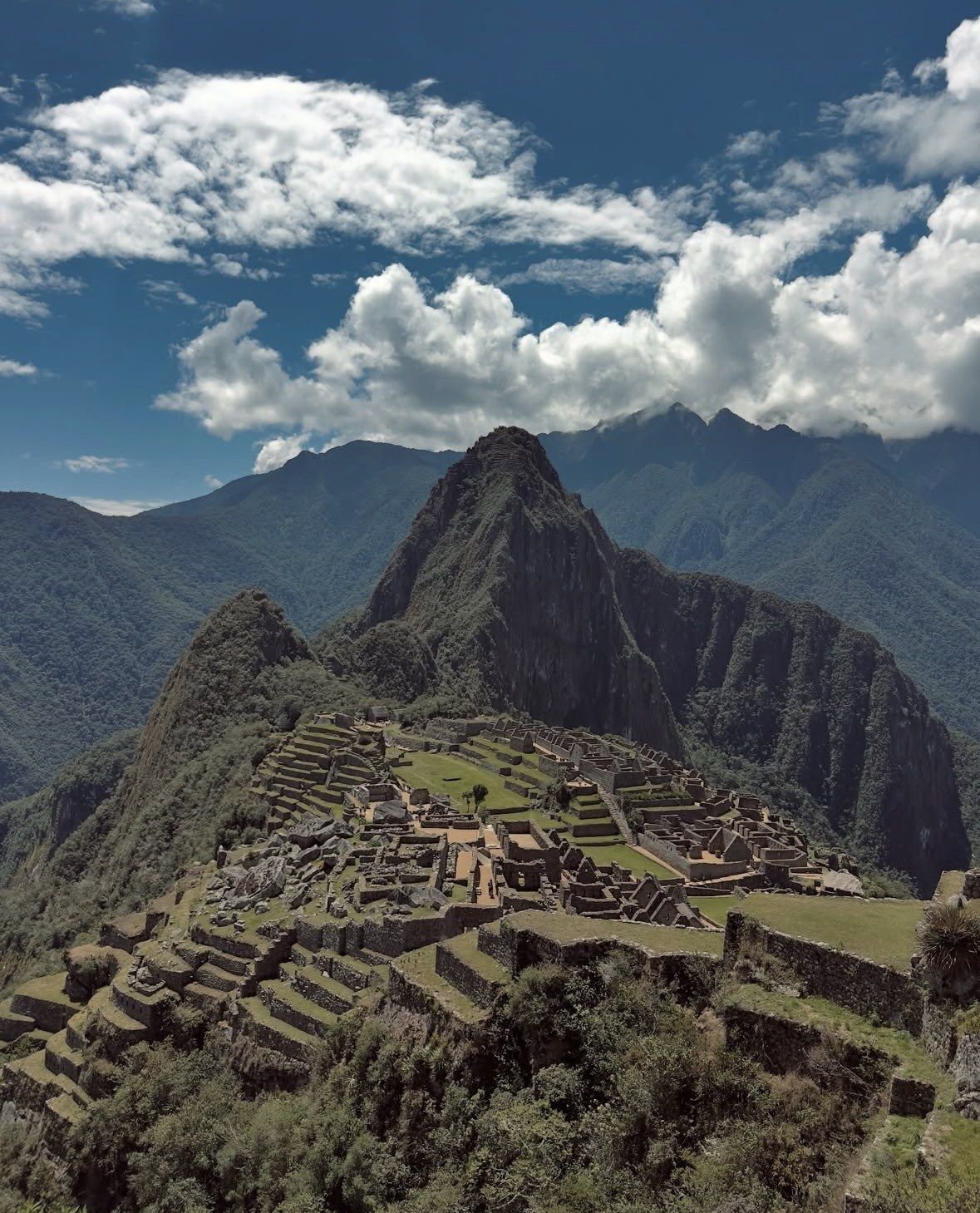
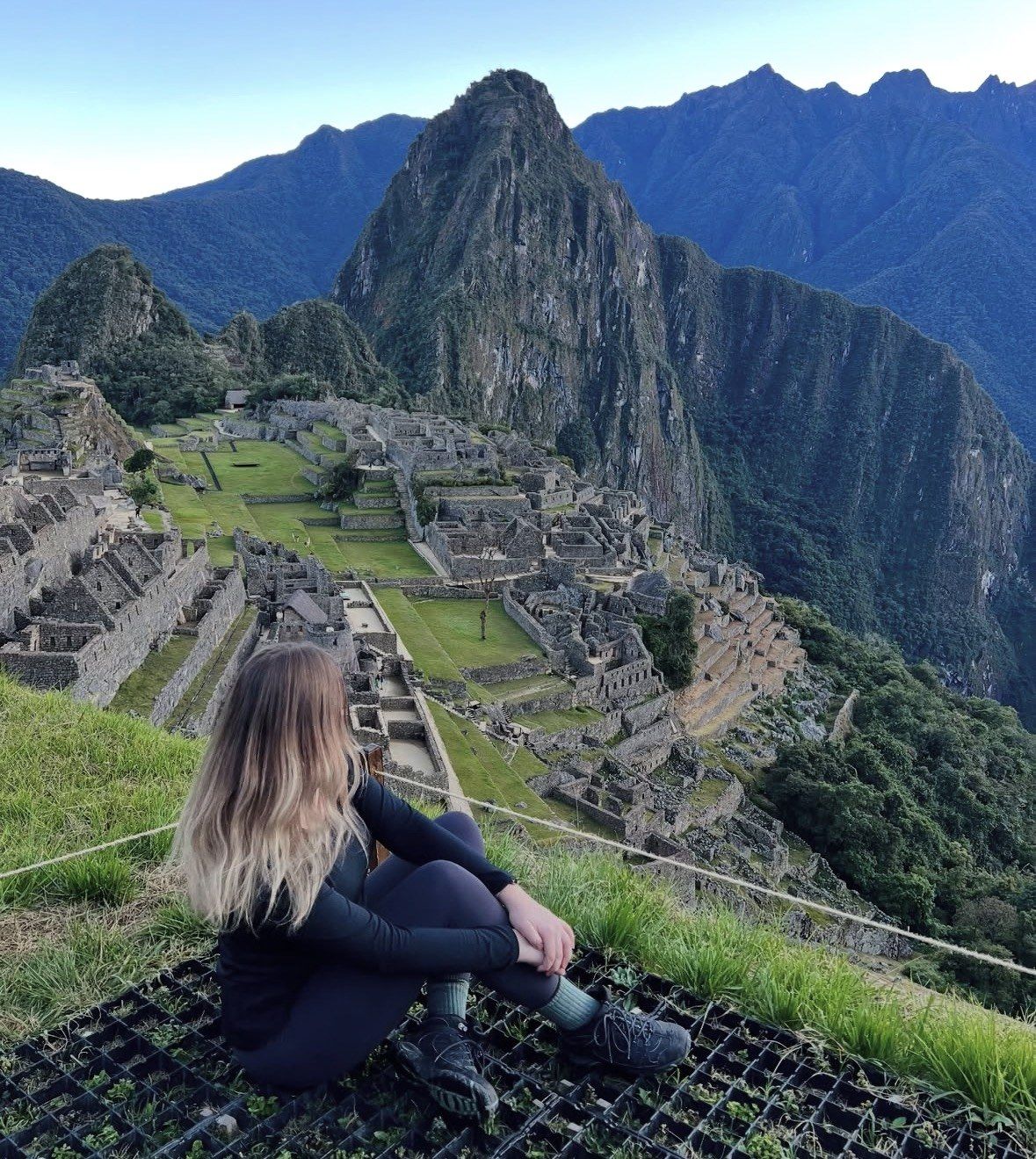
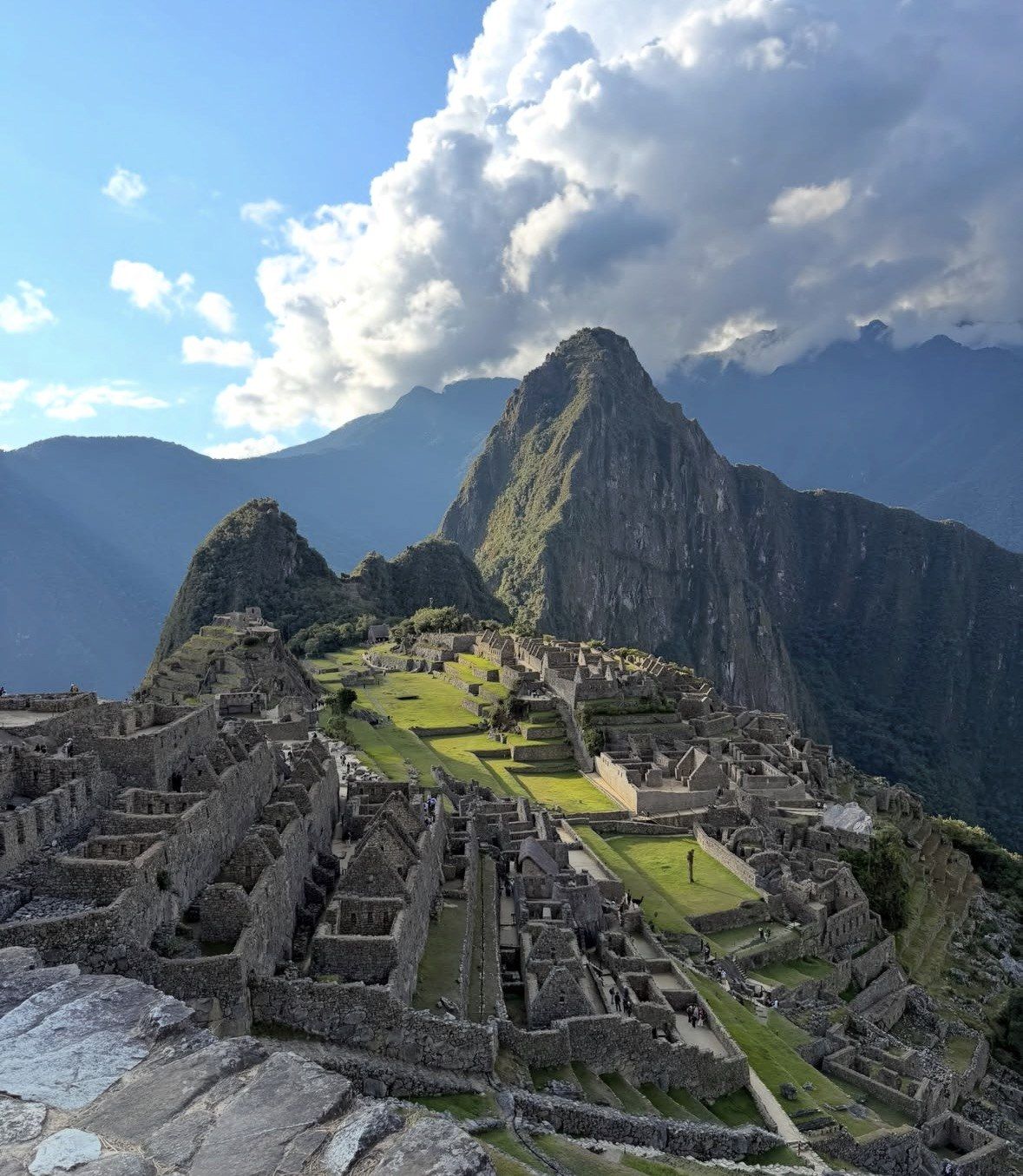
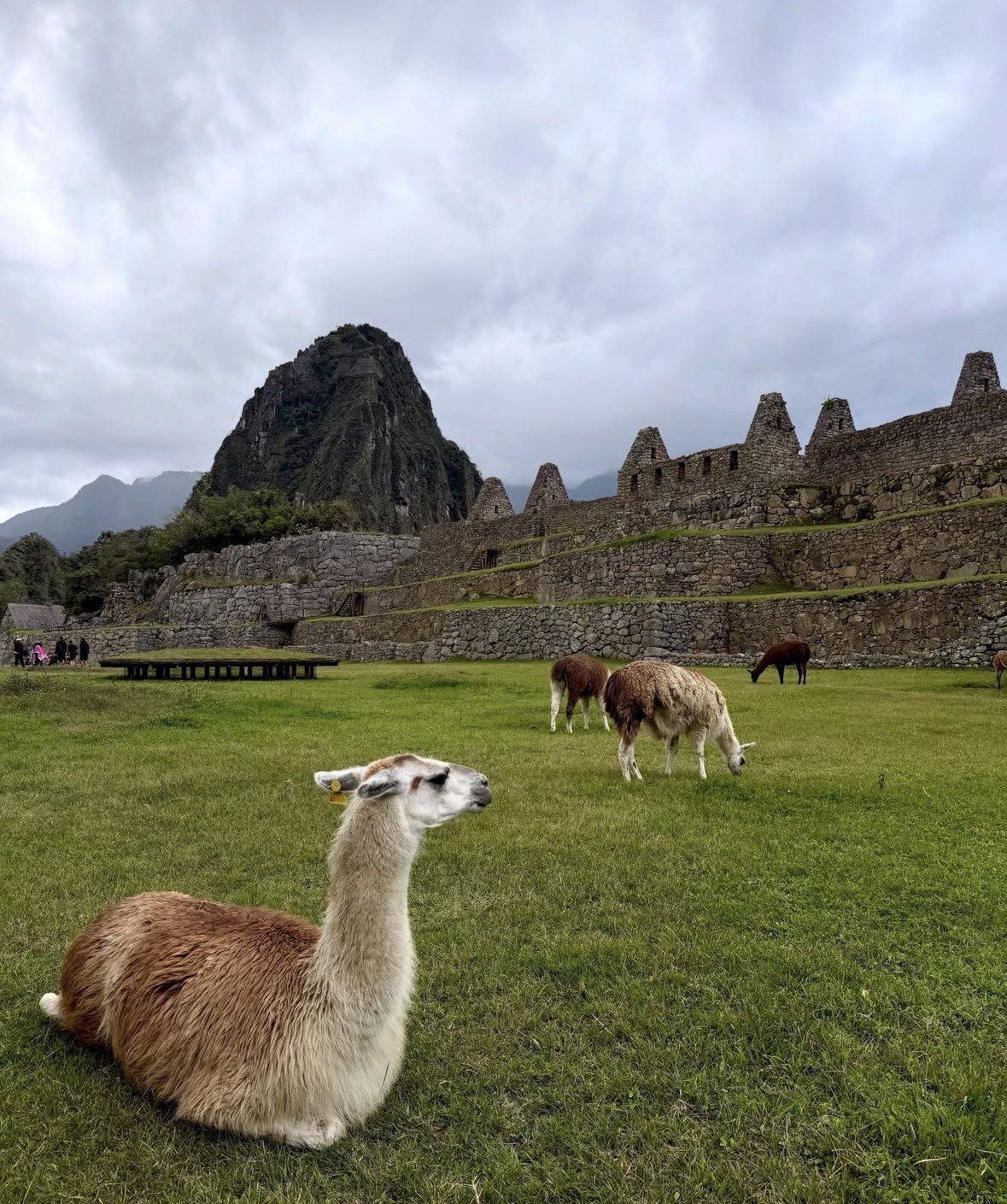
In shortGo in the dry months and aim for their edges. Late September to mid-October still has dry-season conditions while every route is on sale; late April to early June is quieter, with the daily cap at 4,500 instead of 5,600. Skip 16 October to 29 December if you want a mountain route, and skip February altogether if you plan to trek the Inca Trail.
2,340 mCitadel altitude
5,600High-season daily cap
4,500Cap on all other dates
16 Oct–29 DecFour routes shut
The short version: which months and which dates
April to October is the window Peru's rail operator advises for Ollantaytambo and the Sacred Valley, and the official gazette supplement on the Salkantay route stretches it to November. That covers the dry half of the year, and it is the sensible default for a first visit.
The Ministry of Culture's 2026 high season takes up most of that window: 19 June to 2 November, plus 1 January, 2 to 5 April and 30 and 31 December. On those dates 5,600 visitors a day are admitted, against 4,500 on every other date, and the cap drops back to 4,500 from 3 November 2026. The dry stretch and the crowded stretch are largely the same weeks, which is why the shoulders repay the effort.
Two shoulder windows solve different problems. Late September to mid-October is dry and still inside high season, so the routes that sell in high season only are on the screen and nothing has closed yet for the 16 October maintenance block. Late April to early June is the calmer choice, with the 4,500 cap and shorter booking leads, though 1-C, 1-D, 3-C and 3-D are not sold outside high season, so a climb is off the table then.
Machu Picchu weather and the rainy season, month by month
Peru's meteorological service publishes no month-by-month climate normals for the sanctuary in a citable form, so the table below stays qualitative on rain, cloud and crowding and precise only where an official figure exists. The shape of the year is official enough: April to October is the recommended dry window for the Sacred Valley, May to October for Vinicunca, and February is the month the authorities shut the Inca Trail network for rain-season maintenance.
The wet months are workable. Rain in this valley arrives in bursts and the site stays open, but umbrellas and parasols are on the banned list at the gate, so carry a jacket or a poncho and wear soft-soled shoes, the only footwear permitted inside.
| Month | Rain | Cloud on the ridge | Crowd pressure | 2026 calendar note |
|---|
| January | Wet season | Frequent | High on 1 January, then lower | Cap 5,600 on 1 January, 4,500 from 2 January |
|---|
| February | Wettest stretch | Frequent | Lowest | Inca Trail network closed all month for maintenance; cap 4,500 |
|---|
| March | Wet, easing late | Frequent | Low | Cap 4,500; high-season-only routes not sold |
|---|
| April | Dry season begins | Variable | Spike 2–5 April | Cap 5,600 on 2–5 April, 4,500 on the rest; Salkantay window opens |
|---|
| May | Dry | Clearer spells | Moderate | Cap 4,500; 1-C, 1-D, 3-C and 3-D not on sale |
|---|
| June | Dry | Clearer spells | Rising from 19 June | Route 3-A suspended all month; 3-C and 3-D out 19–30 June; cap 5,600 from 19 June |
|---|
| July | Dry | Clearer spells | Highest | High season, cap 5,600, 4,600 tickets online per day |
|---|
| August | Dry | Clearer spells | Highest | High season, cap 5,600 |
|---|
| September | Dry | Clearer spells | High, easing late in the month | High season, full route menu on sale |
|---|
| October | Dry early, rain returning late | Variable | High to 2 November | Routes 1-B, 1-D, 3-A and 3-C close from 16 October |
|---|
| November | Wet season returning | Frequent | Drops from 3 November | Cap back to 4,500; four routes still shut; about 29,000 entries released for the month |
|---|
| December | Wet | Frequent | Low, then a spike at the end | Closures run to 29 December; cap 5,600 on 30–31 December; over 60,000 entries released |
|---|
Sleep in Aguas Calientes, enter early
A night below the ridge is the only reliable way to hold a 06:00 or 07:00 entry hour in any month, and this two-day trip lists a private room in town along with Circuit 2 priority subject to Ministry availability.
★ 4.8/5 · 1,294 reviews
Lower and warmer than Cusco
Cusco is the high, cold, thin-air part of this trip, at 3,399 m. The citadel stands at 2,340 m according to Peru's state news agency, and the road and rail route between the two tops out at 2,792 m, so you are dropping into warmer, wetter air on the way in. Altitude discomfort belongs to your Cusco days, which is why acclimatising in the city first and seeing the ruins afterwards is the right order.
One protected area of 32,592 hectares holds several climates at once, from snow summits above 6,000 m down to the warm Urubamba river floor below 2,000 m, and that gradient is the reason the ridge makes its own weather: cloud can sit on the buildings while the valley below stays clear. The damp middle band of it supports about 340 recorded orchid species, some 20% of every orchid species identified in Peru, which is a useful hint about how much moisture the forest around the stonework handles in a normal year.
How the 2026 ticket calendar changes your month
Your month decides how many people are inside with you, how many tickets exist online and which routes are on sale at all. High season has 5,600 places a day, 4,600 of them sold online; in regular season the cap is 4,500 with 3,500 online. Another 1,000 a day are held back for the counter at the Cultural Centre in Machu Picchu Pueblo, reported open 15:00 to 22:00.
Low season is where the calendar bites. Four route codes disappear between 16 October and 29 December, and RM 000317-2025-MC suspended Huayna Picchu (3-A) for the whole of June 2026, with 3-C and 3-D out from 19 to 30 June. If a climb is the point of the trip, choose the month before you choose the route, then check availability for your exact dates; a route list written last year will be out of date.
- High season 2026: 1 January, 2–5 April, 19 June to 2 November, 30–31 December
- Closed 16 October to 29 December: 1-B Upper Terrace, 1-D Inca Bridge, 3-A Waynapicchu, 3-C Gran Caverna
- Sold in high season only, per Peru's state news agency: 1-C, 1-D, 3-C and 3-D; the rail operator's list differs slightly, so confirm on the day you book
- June 2026 maintenance: 3-A suspended all month, 3-C and 3-D from 19 to 30 June
- No trekking month in February: rain-season maintenance takes the Inca Trail network out of service, so February never appears on the reservation calendar at all
- The 2026 permit release ran month by month from 27 October to 4 November 2025, each batch going live at 9:00 a.m. local time through authorised agencies, so the trekking month was settled almost a year before the rain arrived
Morning or afternoon entry, and what the wet season does to the walk
Tickets come in bands and you pick yours when you pay: morning 06:00 to 12:00, afternoon 12:00 to 18:00, or full day 06:00 to 18:00. Whichever band you hold, the gate works off the exact hour printed on your ticket, and it waits 30 minutes for you in low season, 45 in high season; the regulation behind that admits visitors from 06:00 to 16:00, shuts the register at 17:30 and limits a stay to four hours with no going back in. A full-day band does not buy you a full day inside.
Take the morning band and the earliest hour on offer. The first shuttle leaves Aguas Calientes at 5:30 a.m. and the 8 km road with its roughly 13 hairpin bends takes 20 to 25 minutes, so a 06:00 or 07:00 entry is realistic from a bed in town; buy the bus round trip the afternoon before at the Consettur booth on Avenida Hermanos Ayar rather than queueing on the morning your clock is running. Cloud at opening is common in the wet months and nobody publishes an hour at which it lifts, so count a clear first view as luck and treat your 2 hours 30 minutes on route 2-A as the part you control.
Afternoon entries are what a packaged day from Cusco usually produces: the published timetable for one such day puts the entry hour between 11:00 and 14:00 after a 05:20 pickup. That is the warmest and fullest part of the day, and the light comes flatter from behind you.
Rain affects the approach more than the ruins. The train from Ollantaytambo takes about 1 hour 30 minutes to 2 hours, and bimodal services from Cusco add a bus leg with a transfer at Pachar station on selected schedules, with boarding closing 30 minutes before departure and operators warning that times are indicative. Then there is the Hidroeléctrica way in, driving through Santa María and Santa Teresa before a level 10 km walk along the railway into Aguas Calientes that takes 2 to 3 hours; landslides are a wet-season hazard on that stretch, which is a poor combination with a ticket tied to one printed hour in January or February.
Which month and which hour to book
Book late September to mid-October if you want the dry weather and the full route list, and late April to early June if you would rather trade the high-season route menu for the 4,500 cap and a calmer site. Either way, put a morning hour on the ticket, sleep in Aguas Calientes the night before, and keep the Cusco day trip for the case where you genuinely have one spare day and no flexibility.
The entrance itself is nominal, sold only through the official Ministry portal or an authorised counter, carrying your full name and ID number, with no name or date changes afterwards; since September 2026 a selected slot is not held and payment has to go through inside 15 minutes. The tickets page on this site sets out the tariffs in soles, the bands and where that rule currently stands, and it is worth reading on the day you buy.
For a trip that is not hostage to the trek calendar, compare the two train-based tours on this site. Two days from $449, rated 4.8 ★ (1294 reviews), the 2-Day Sacred Valley & Machu Picchu Tour from Cusco by Train gives you a private room in Aguas Calientes for the night before plus Circuit 2 priority subject to Ministry availability, and that night in town is what turns an early printed hour into an hour you can actually keep. Doing it in one push instead, the Machu Picchu Tour Full Day by Train is a 16-hour day from $419, rated 5.0 ★ (321 reviews), covering the rail legs both ways, the shuttle up and down, expert guides and the entrance with its circuit subject to availability; the operator suggests roughly five months of lead time, which means picking your month long before any forecast exists for it.
Walkers who missed the permit release have the Classic Salkantay Trek to Machu Picchu 5 Days, from $480 and rated 4.9 ★ (250 reviews), with sky domes on three nights, a hotel room in Aguas Calientes and the Machu Picchu entrance included. Keep it inside the officially advised April to November window for that route, where temperatures across the crossing run from -5 °C to 26 °C and the pass tops out at 4,650 m.
Questions people ask
Which is the wettest month at Machu Picchu?
No official monthly rainfall table for the sanctuary could be verified, so treat any precise figure you see with caution. The clearest official signal is February: the Inca Trail network closes every year for rain-season maintenance and rehabilitation, which is why that month is missing from the reservation calendar. For the surrounding Sacred Valley, the recommended dry window runs April to October.
What should I pack for rain at the citadel?
A waterproof jacket or a poncho, since umbrellas and parasols are on the list of items banned inside. Footwear has to be soft or rubber soled, as high heels and hard soles are refused, and walking poles with metal or hard tips are not allowed either. Bags larger than 40 x 35 x 20 cm stay outside, so keep the day pack small.
Does Machu Picchu close during the rainy season?
The citadel stays open year round; what closes is part of the route menu. Between 16 October and 29 December the booking screen loses 1-B, 1-D, 3-A and 3-C, while 1-C, 1-D, 3-C and 3-D only come up for sale in high season. The Inca Trail network is the one that shuts outright, for the whole of February.
Can I move my ticket to another day if the forecast is bad?
No. Citadel tickets are nominal, and neither the date nor the name can be changed; an unused ticket loses validity with no refund or rescheduling except in documented force majeure. Pick the month and the hour you actually intend to use, and remember the gate allows 30 minutes of lateness in low season and 45 in high season.
Is the 2-hour 30-minute limit on Circuit 2 enough if the cloud sits in?
It has to be: routes 2-A and 2-B are capped at 2 hours 30 minutes inside, and the regulation allows no re-entry except in force majeure. An early morning hour gives the cloud the best chance of shifting while you are still on the walk. If photographs matter more to you than the buildings, book a second entry day rather than betting on one slot.
Read also