In shortCusco sits at 3,399 m, a good kilometre above Machu Picchu's 2,340 m, so keep arrival day flat: the historic centre on foot, then Saqsaywaman (open 07:00 to 17:30) the next morning. The boleto turístico costs S/130 for foreign visitors and lasts 10 days across three circuits, covering the ruins on the city's rim and the Sacred Valley sites.
3,399 mCusco city altitude
S/130Full tourist ticket, foreigners
07:00–17:30Saqsaywaman park hours
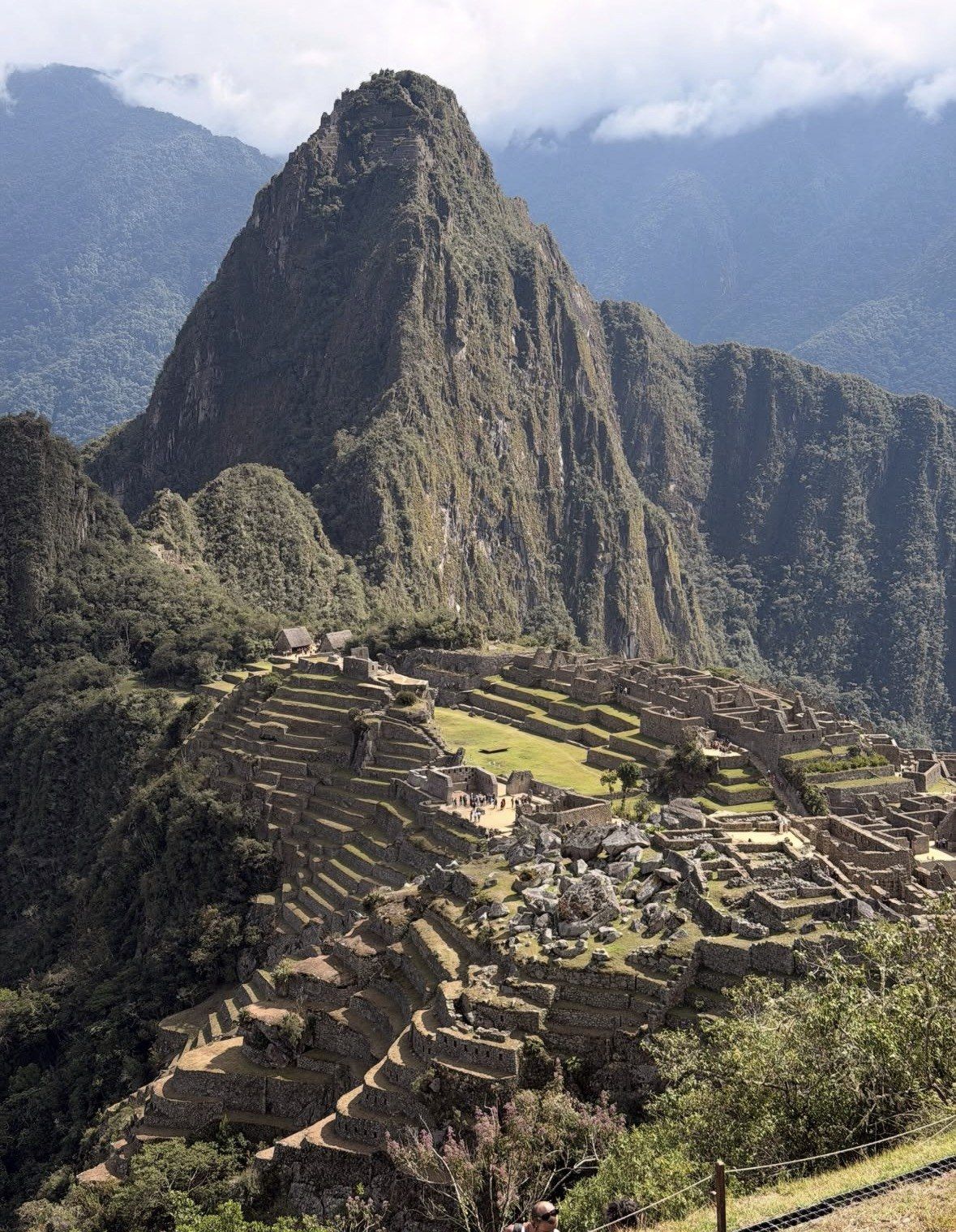
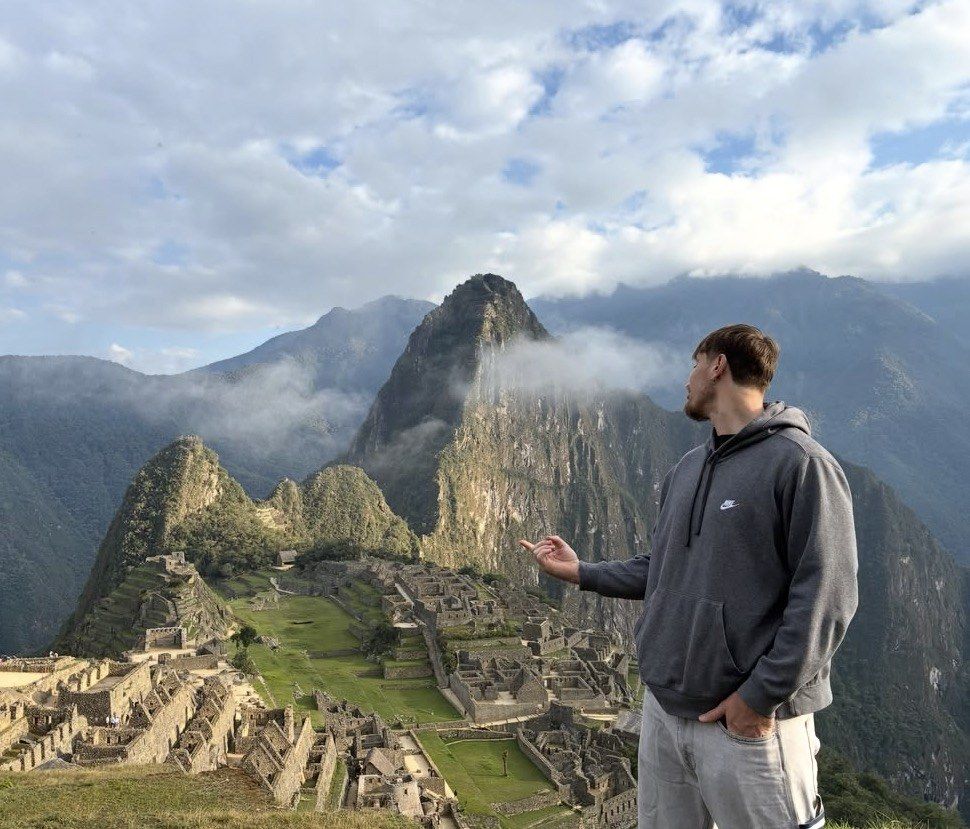
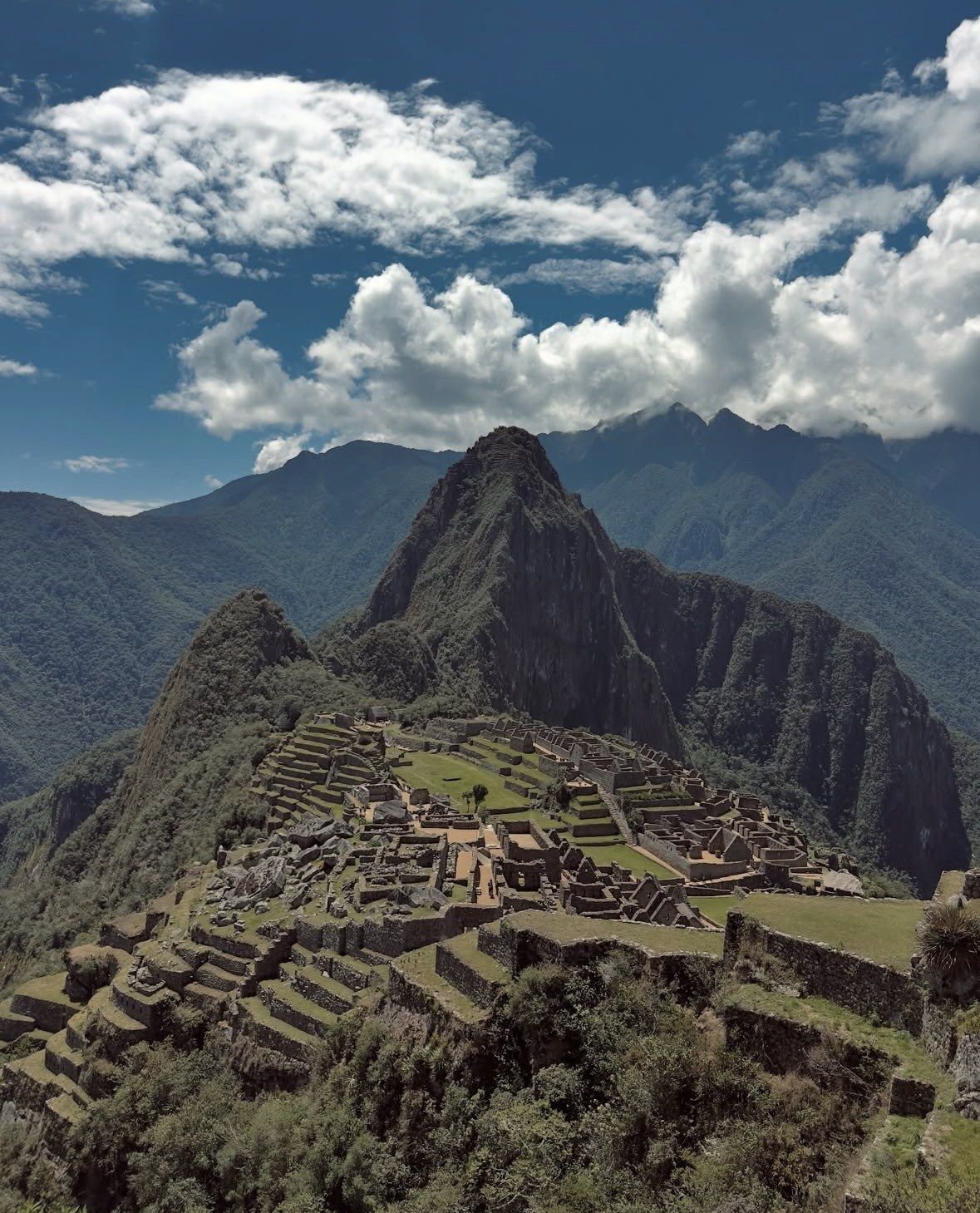
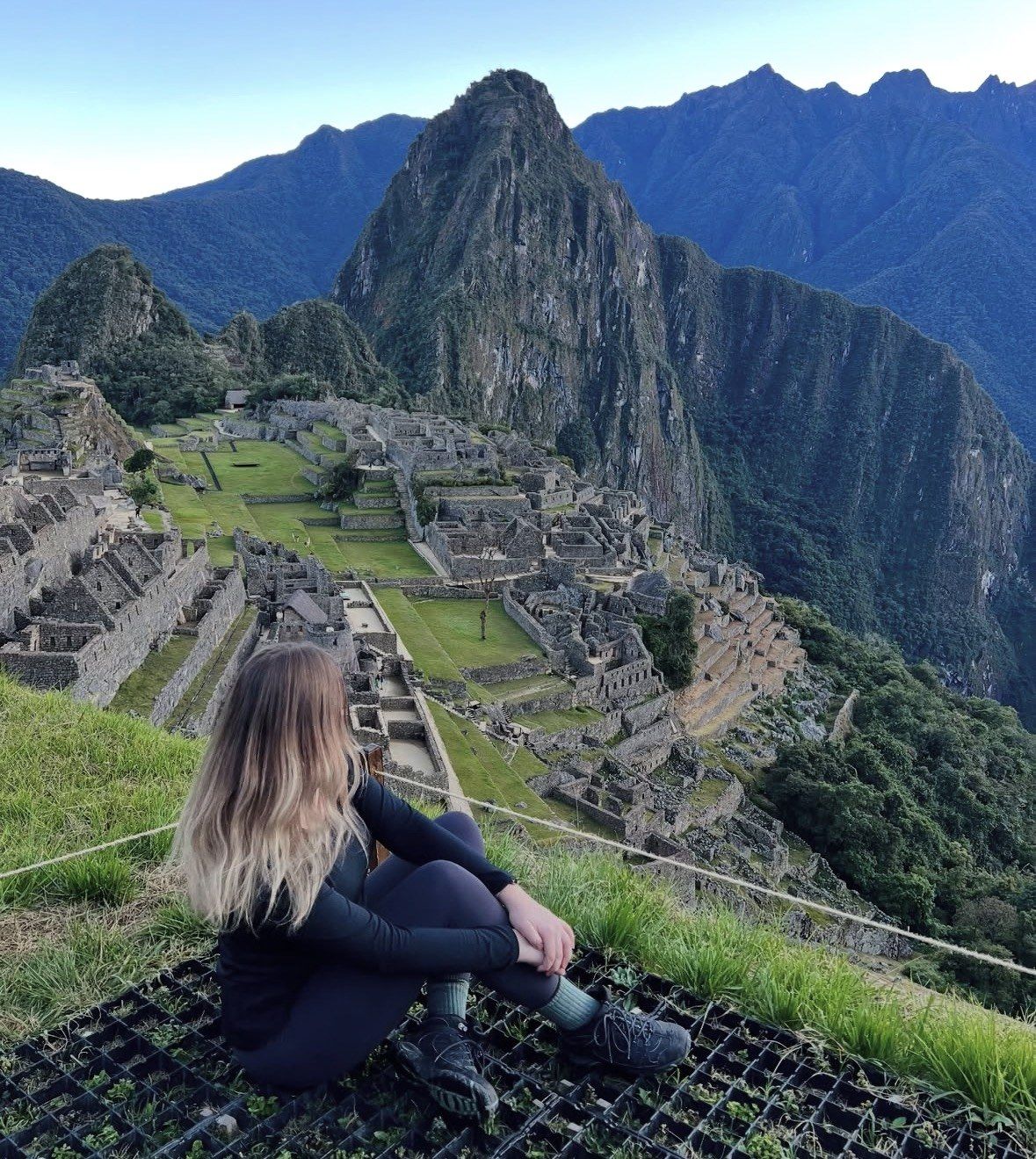
2,340 mMachu Picchu citadel
Things to do in Cusco, grouped into walkable clusters
The altitude decides the running order. Your base here, at 3,399 m, is the highest air you will sleep in on this trip: the citadel lies a kilometre lower at 2,340 m, and even the 2,792 m high point on the road and rail route sits below the streets you are about to walk. You arrive high and go down later, so keep the heavy walking for day two and day three, rather than the afternoon you land after the 1 hour 15 minute flight from Lima.
Treat the historic centre as one flat cluster. The Plaza de Armas, the arcades around it and Plaza Regocijo are all on the level, and an afternoon at a slow pace covers them without a single climb. Hours and admission at the Cathedral and at Qorikancha are not published in the official tariff this page relies on, so check both at the door on the day instead of planning your morning around them.
The second cluster is uphill and worth saving. San Blas, known in Quechua as Toqocachi, and Qolqampata below San Cristóbal are the two historic neighbourhoods from which the official park service says you can reach Saqsaywaman on foot. Those lanes are steep stone staircases, and they feel like it on your first full day at this altitude.
Beyond the city limits, the Cusco sites that need a ticket fall into a tidy ring: Saqsaywaman, Q'enqo, Puka Pukara and Tambomachay, all on Circuit I of the combined pass. Allow a morning for the ring if you are driving it, and a longer, slower morning if you intend to walk up and only ride back.
- Plaza de Armas and Plaza Regocijo: flat, central, the arrival-day cluster.
- San Blas (Toqocachi) and Qolqampata (San Cristóbal): staircase streets and the two footpaths up to Saqsaywaman.
- Saqsaywaman park: level access and a short marked tourist circuit, open 07:00 to 17:30.
- Q'enqo, Puka Pukara and Tambomachay: the rest of Circuit I, strung along the road above the city.
- Pachacútec Monument: a separate S/2 ticket for adult foreign visitors.
What the Cusco boleto turístico covers
Several of the sites above the city and across the valley admit you on the combined pass only, with no single-site ticket sold at the gate. The full Cusco Tourist Ticket costs S/130 for foreign visitors and runs for 10 days across all three circuits, which is the version to buy if Cusco and the Sacred Valley are both on your list. Partial tickets exist at S/70 each and make sense only when you already know you will skip a whole circuit.
National tourists and foreign students pay S/70 for the integral ticket, national students S/40. For the student rate, visitors aged 10 to 17 need only an identity document, while anyone aged 18 to 25 has to show a valid student card or an ISIC card. Carry it; the rate is checked at the gate.
One detail trips people up on packaged trips: the Sacred Valley portion of this pass is not part of a Machu Picchu tour price. On the two-day trip listed further down, the Boleto Turístico is paid in Peruvian sol cash at the ruins entrance, so keep notes in your pocket rather than a card.
| Ticket | Foreign visitor price | Valid for | Covers |
|---|
| Integral ticket (BTCI) | S/130 | 10 days | All three circuits |
|---|
| Circuit I | S/70 | 5 days | Saqsaywaman, Q'enqo, Puka Pukara, Tambomachay |
|---|
| Circuit II | S/70 | 2 days | The city circuit |
|---|
| Circuit III | S/70 | 2 days | Pisac, Ollantaytambo, Chinchero, Moray |
|---|
| Pachacútec Monument | S/2 | Separate ticket | The monument only, adult foreign visitors |
|---|
Saqsaywaman and the ruins on the city's rim
Saqsaywaman is the one site on the city's edge that deserves a slow visit. The archaeological park covers 2,997.265 hectares and contains 96 recorded archaeological sites, and it opens 07:00 to 17:30. There is level access and a short tourist circuit inside, so you can see the main walls without a long climb once you have got yourself up there.
The walls in front of you took four reigns to raise: Pachakuteq started the work, and Topa Inka Yupanqui, Huayna Qhapaq and Huáscar Inka each carried it on. Colonial builders later took stone from the site for churches and houses down in Cusco, which explains why the surviving blocks here are the ones too large to move, and why so much of the old city below is built from the same rock.
Go early or go late. The 07:00 opening is the quiet hour, and a visit after mid-afternoon still leaves time before the 17:30 close if your first day went slowly. Standard rules at the Cusco-region parks apply: no food, no animals, no alcohol, no climbing or marking the walls, no camping on site, and no drones unless the regional culture office has authorised them in advance.
Where to sleep, and when the valley is the better bed
Stay in the historic centre if this is your first stop in Peru. Operators running the Machu Picchu days pick up at the door of central hotels and fall back on the main square or Plaza Regocijo by the central fountain when a lodging sits too far out for a vehicle, so a central room saves you a pre-dawn taxi on top of an early start.
San Blas and the Qolqampata side suit people who want the stone lanes and the Saqsaywaman footpath on their doorstep, at the cost of climbing home every evening. On a first night at 3,399 m, that climb is the part you will notice.
Sleeping lower is a real option, and it is specific: Ollantaytambo lies at 2,360 m, about a thousand metres below Cusco, and the drive takes roughly 1 hour 30 minutes, 61 km via Chinchero and Urubamba or 92 km via Pisac, Calca and Urubamba. Arriving from Lima and heading straight for the citadel, a valley night buys you lower air and a shorter morning to the train. Do not assume every valley town is lower, though: Pisac sits at about 3,400 m and Chinchero at an average 3,750 m, both higher than the city.
Ollantaytambo station works in your favour too. The rail operator's point of sale inside the station opens 04:15 to 21:00 every day including holidays, luggage is stored there at no charge over the same hours, and boarding closes 30 minutes before departure. Readers who move their base down to the valley will find the onward legs from there laid out on the Sacred Valley page.
Sacred Valley and the citadel over two days
Spread across two days from $449, rating 4.8 ★ (1294 reviews): the valley sites on the way out, a private room in Aguas Calientes that night, Circuit 2 priority subject to Ministry availability the next morning, and one English-speaking guide for the valley and the citadel. It keeps the centre and the Circuit I ring on their own days in Cusco.
★ 4.8/5 · 1,294 reviews
Day trips that leave from the city
Circuit III of the tourist ticket is effectively a day trip menu. Pisac is 33 km from Cusco on the paved Calca road, with a further 9 km from the town up to the archaeological park, which sits at about 3,400 m and closes at 16:30. Chinchero is 30 km out at an average 3,750 m and stays open until 18:00, the latest closing of the group. Moray, at about 3,480 m, opens 07:00 to 17:00 and is 7 km from Maras town off the turnoff at km 65 of the Cusco to Urubamba highway; the Ministry of Culture describes it as an agricultural experimentation centre that used its different ecological levels to extend the land that could be farmed.
Ollantaytambo is the one Sacred Valley site that fits into almost any schedule. It opens 07:00 to 16:30, has a ramp at the entrance for visitors with disabilities, and its short flat circuit takes about 35 minutes, which makes it a sensible stop on the way to the train rather than a separate excursion. Line these valley days up with the dry months, April to October, which is the window the rail operator advises for this part of the region.
Vinicunca is the long day, and it does not belong on a first-day schedule. The viewpoint reaches 5,200 m, the drive from Cusco to Pitumarca takes about three hours via Andahuaylillas, Quiquijana and Checacupe, the walk starts at the community of Qheshiuno and the ascent takes 90 to 120 minutes, with a horse station roughly an hour up the trail. Agency departures have been reported leaving at 03:00 and returning around 18:00. Pitumarca municipality was reported charging S/10 per person, with horse hire and a muleteer at S/70 to S/90 return; both figures come from press reporting rather than a published tariff, so carry extra soles. Pick a date inside the May to October stretch, because snow can block the approach from November through April.
Two quieter options sit at opposite ends of the effort scale. Tipón and Pikillaqta, in the south valley, both open 07:00 to 16:30. Choquequirao is a commitment: about 42 km of trail and roughly three days for the full route, with the site itself open 07:00 to 16:00 inside the Vilcabamba Archaeological Park, which the culture office notes is not accessible to people with disabilities.
Fitting the city into your trip sequence
Put Cusco first and go down from there. Everything about this trip's altitude profile argues for it: the city at 3,399 m, the citadel at 2,340 m, the Salkantay pass at 4,650 m if you are trekking and Vinicunca at 5,200 m if you are not. The altitude page on this site has the detail on what that gradient does to a first day.
Doing Cusco in two days works if you accept the order. Day one flat in the centre, day two the rim ring on Circuit I, with the Sacred Valley sites pushed to day three or built into the drive towards Ollantaytambo. Leave the high passes and peaks until those two days are behind you.
Before a trek, allow full days in the city rather than hours. Trek operators run their briefing in Cusco before departure, which already pins you to at least one working day here, and the climbing starts high: the Salkantay crossing is about 70 km with its pass at 4,650 m and is officially advised between April and November, when temperatures across the route run from -5 °C to 26 °C. Inca Trail dates, by contrast, were settled long before you booked a hotel here: there is no February on the calendar at all, since the route shuts that month for rain-season maintenance, and the 2026 permits came out month by month between 27 October and 4 November 2025 at 9:00 a.m., through authorised agencies only.
For the citadel itself, the choice made in Cusco is how long a day you want. The packaged version takes about 15 hours of your stay: pickup near 05:20, roughly two hours by van to Ollantaytambo, the 08:29 train arriving 09:54, an entry hour somewhere between 11:00 and 14:00, and your Cusco hotel again around 20:40. Sleeping in Aguas Calientes the night before instead puts you on the 05:30 first shuttle for a 06:00 or 07:00 entry hour, which matters because the gate works off the exact hour printed on your ticket and allows only 30 minutes of lateness in low season, 45 in high season. The tours on this site that start in Cusco cover both shapes of day.
Questions people ask
Does the Cusco tourist ticket include Machu Picchu?
No. The citadel is ticketed on its own, and that ticket is nominal: it is issued with your full name and ID document number through the Ministry's official portal or an authorised counter, and neither the name nor the date can be altered afterwards. Under the rules in force since September 2026 nothing is held while you decide, and the payment has to clear inside 15 minutes. The combined Cusco pass covers the city circuit, the ruins above the city and the Sacred Valley sites instead.
What time do the archaeological parks around Cusco open and close?
All of them open at 07:00, and the closing time is what varies. Chinchero runs to 18:00, Saqsaywaman to 17:30, Moray to 17:00, and Pisaq, Ollantaytambo, Tipón and Pikillaqta to 16:30. Choquequirao closes at 16:00. Plan the far sites for the morning, since a 16:30 gate makes an afternoon departure from the city pointless.
Can I get a student price on the boleto turístico?
Yes. Foreign students pay S/70 for the integral ticket and national students S/40, against S/130 for other foreign visitors. Visitors aged 10 to 17 need only an identity document to get the rate, while those aged 18 to 25 must show a valid student card or an ISIC card at the gate.
Can I take a drone to the ruins near Cusco?
Not without prior authorisation from the regional culture office. The standard rules across the Cusco-region archaeological parks also ban food, animals, alcohol and drugs, climbing or painting the walls, camping on site, and commercial filming or photography without permission. These are checked at the entrances, so leave the kit at the hotel unless your paperwork is in order.
Is there a train to Machu Picchu that leaves from Cusco itself?
Services do leave the city, but they are bimodal. Departures run from San Pedro or Poroy and, since 1 September 2025, selected schedules transfer from bus to train at Pachar station. Poroy to Aguas Calientes is given as about 3 hours 30 minutes, against roughly 1 hour 45 minutes from Ollantaytambo, and boarding closes 30 minutes before departure. Treat any timing you read as provisional and check your own departure before you set out.
Read also